Running cadence has quietly become one of the most talked-about topics among runners who want to improve performance without simply pushing harder or running more miles. Whether you are a beginner trying to feel more comfortable on your runs or an experienced runner aiming to become faster and more efficient, learning how to improve running cadence plays a key role in how your body moves, absorbs impact, and sustains effort over time.
Many runners focus almost exclusively on speed or distance, but the cadence of running (the rhythm of your steps) directly influences how smoothly and efficiently you run.
Small adjustments to your step rate can help:
That’s why increasing running cadence is now viewed less as an elite-only metric and more as a practical tool any runner can use to run better with less effort.
In this article, you’ll learn what cadence in running really means, why it matters for your long-term health, and how to increase it gradually and safely. Instead of chasing a single “perfect” number, the goal is to understand your own running mechanics and make sustainable changes that support long-term progress and injury-free movement.

Running cadence refers to the number of steps you take per minute while running, often abbreviated as SPM (running steps per minute). It is a simple metric, but one with a surprisingly large influence on how your body behaves during a run. Cadence is not about how fast you run on its own — it is about how you move at any given speed.
Two runners can move at the same pace with very different cadences, and those differences affect efficiency, impact forces, and long-term injury risk.
Cadence plays a major role in running efficiency, also known as running economy — how much energy you use to maintain a certain pace. When cadence is very low, runners tend to overstride, landing the foot too far in front of the body. This creates “braking forces” that slow you down slightly with every step and waste energy.
A slightly higher cadence usually encourages shorter, quicker steps, helping your foot land closer to your center of mass. This reduces unnecessary deceleration and allows energy to be transferred more smoothly from one stride to the next, making your movement feel lighter and more controlled. Using specialized gear, such as running headwear, can further enhance this feeling of lightness and comfort during your sessions.
Each time your foot hits the ground, your body absorbs impact forces that travel through your lower back and legs. According to biomechanics experts, knowing how to increase cadence in running provides several protective benefits:
For runners already dealing with lingering hip pain after running, adjusting this rhythm is often a crucial part of the recovery process.
Speed is the result of two variables: stride length and cadence. In the debate of cadence vs stride runner, many athletes mistakenly try to run faster by only lengthening their steps, which often leads to overstriding. This “braking” action not only wastes energy but also increases the risk of injury.
Improving your rhythm allows speed to increase more naturally. When you work on cadence, speed tends to follow — not from pushing harder, but from moving more efficiently. A shorter, quicker stride keeps momentum flowing forward, making it a sustainable way to boost performance without extra joint stress.
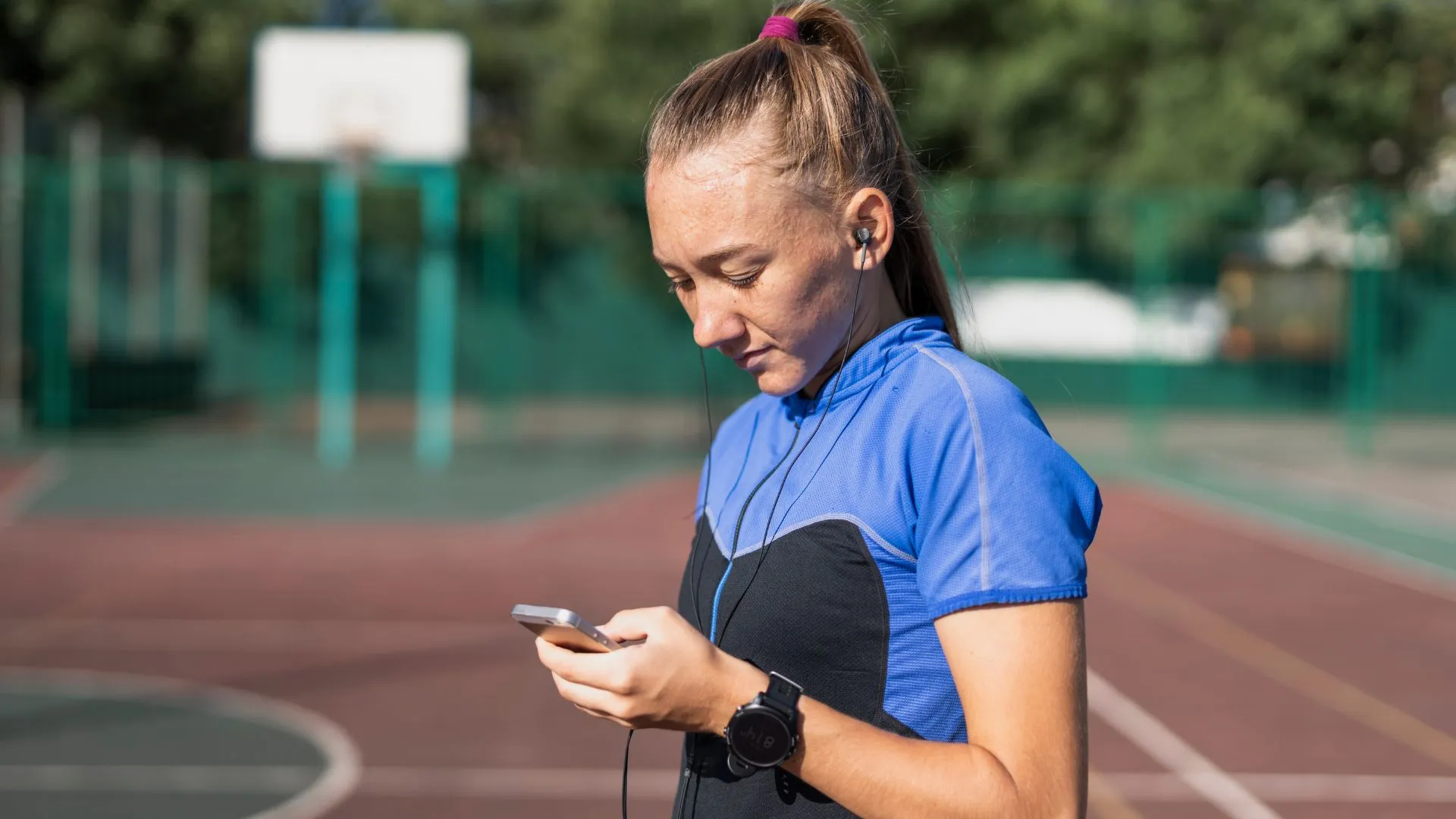
Before you can start making changes, you need to know your starting point. Tracking your average cadence running helps you set realistic goals and see how you improve over time. Whether you love gadgets or prefer a simple approach, there are easy ways to find your number.
Most modern GPS watches, running apps, and smartphone trackers automatically record your running cadence (SPM).
This is the most convenient way to gather data without having to think about it while you exercise.
If you don’t use a watch, don’t worry. You can find your beginner running cadence with a simple 60-second test:
Repeat this a few times during different runs to get a reliable baseline of your current rhythm.
This is the most convenient way to gather data without having to think about it while you exercise.
Once you have your number, remember that there is no universal ‘perfect’ pace. What works for a pro might not work for you. Your natural rhythm is influenced by your fitness, speed, and even your build. For instance, your physical build plays a role, as taller runners naturally take longer, fewer steps than shorter runners to cover the same distance. This is why determining the ideal running cadence based on height is more effective than chasing a generic number.
| Runner Profile | Typical Cadence Range |
|---|---|
| Recreational / Beginner | 150 – 170 SPM |
| Experienced / Advanced | 170 – 180 SPM |
| Elite Athletes | 180+ SPM |
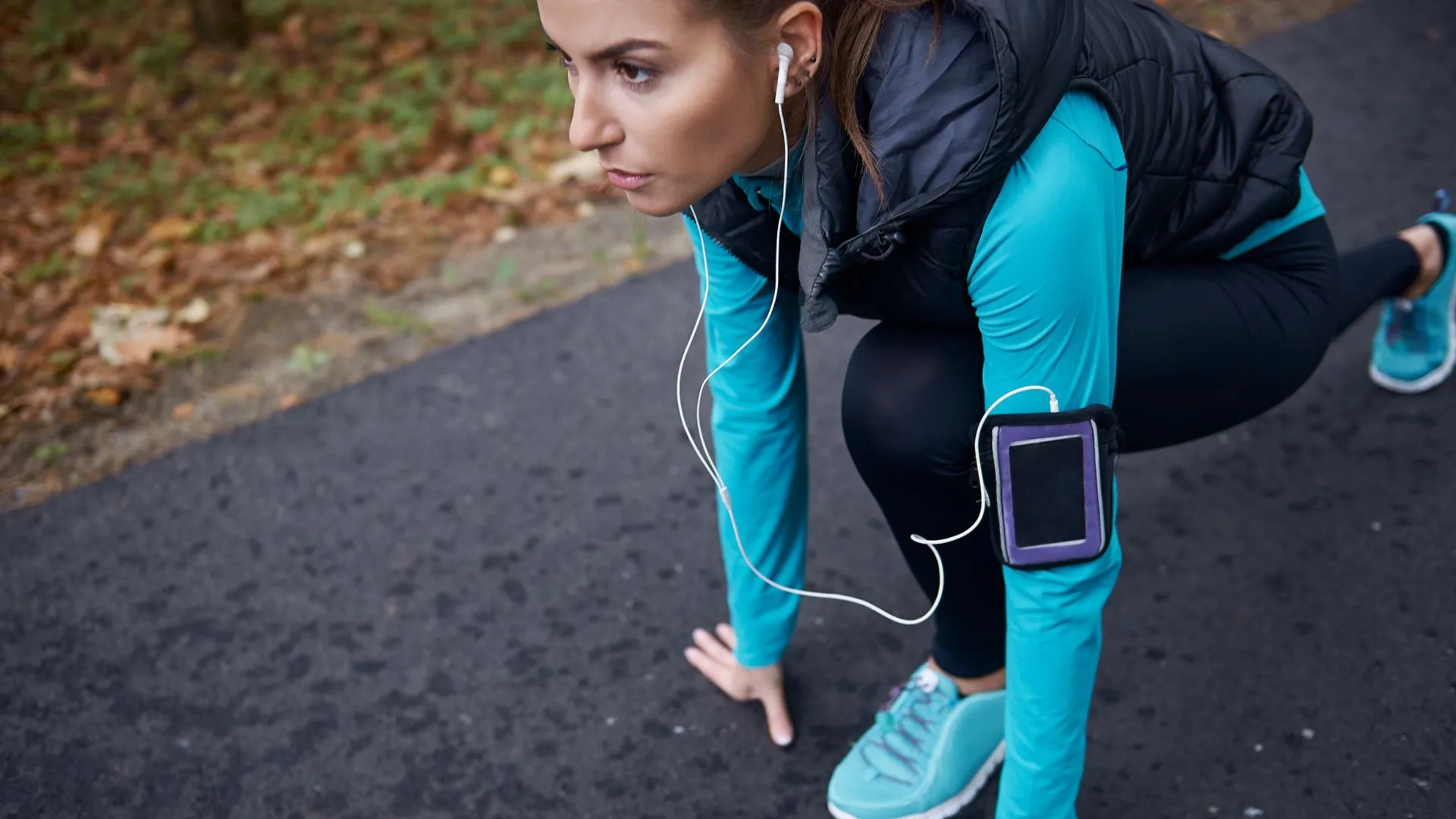
Improving your rhythm doesn’t mean forcing your legs to spin faster overnight. A gradual, structured approach ensures you enhance your running efficiency while minimizing the risk of injury. Here is how to apply these concepts in practice.
To start increasing running cadence, focus on small, manageable changes in your form rather than pushing for speed:
Sudden, large jumps in your step rate can overload your muscles, tendons, and joints. Experts suggest that incremental adjustments of 5–10% above your spontaneous cadence allow your body to adapt safely.
Consistency matters far more than hitting a single “perfect” number. Over time, these small, gradual adjustments improve your steps per minute and overall control without placing unnecessary strain on your body. To support energy levels during these technical transition runs, many athletes use energy gels to maintain focus and muscle function.
Even small adjustments can backfire if done incorrectly. To ensure you are learning how to improve running cadence safely, watch out for these common pitfalls:
Note: Ignoring these errors can lead to shin splints, knee pain, or plantar fascia irritation. Always listen to your body and step back if you feel sharp pain.
A structured approach helps you advance step-by-step. Use your measured baseline to find your current tier and follow the suggested focus:
| Current Cadence | Target Increment | Suggested Workout | Main Goal |
|---|---|---|---|
| 150–160 SPM | +5% | Short interval bursts | Efficiency & control |
| 160–170 SPM | +5% | Tempo runs | Rhythm & lightness |
| 170–180 SPM | +3–5% | Fartlek or speed sessions | Speed & endurance |
How to use this plan: Start with your baseline, increase your average cadence running according to the table, and select the run type that suits your fitness level. The focus is on improving mechanics and injury prevention, rather than chasing an exact number. Over time, your natural rhythm will settle into a more efficient, sustainable pace.

Improving your cadence of running is not about hitting a magic number or racing against the clock. It is a continuous process that respects your individual stride, body mechanics, and running experience. By gradually increasing your SPM, paying attention to proper technique, and monitoring your body’s response, you can run more efficiently and significantly reduce the impact on your joints.
Remember: consistency is more important than speed. Small, progressive changes lead to sustainable results, allowing you to enjoy a smoother, safer, and more natural running experience. Treating your average cadence running as a key part of your journey will pay off in both performance and longevity, ensuring you stay injury-free for miles to come.
The cadence of running is the total number of running steps per minute (SPM) you take. It’s a vital metric for efficiency, as a higher turnover often reduces the impact on your joints.
Use a metronome to increase running cadence gradually by 5% to 10% until your body adapts to the new rhythm.
The best running cadence is personal rather than universal. While 180 SPM is a common benchmark, an ideal running cadence is one that prevents overstriding and ensures your feet land directly under your hips.
Yes. Taller runners usually have a lower average cadence running due to longer leg length. Finding an ideal running cadence based on height is more effective than following a generic number for everyone.
In the cadence vs stride runner debate, cadence refers to step frequency, while stride is step length. For a beginner running cadence, focusing on faster steps is safer and more efficient than trying to reach further with each stride.