If you’ve ever gone for a run and felt that familiar twinge in your hip, you’re not alone. Hip pain after running is a common issue that affects runners of all levels – from casual joggers to marathoners.
Running is a high-impact activity. Each stride sends shockwaves through your lower body, especially your hips, which act as a central pivot for movement and balance. When the muscles, tendons, or bones in this area become irritated or injured, the result is usually pain – and if you don’t address it, that pain can lead to chronic problems or even more serious injuries.
This guide dives deep into the most common hip problems in runners, explains their causes and symptoms, and shows you how to treat and prevent them.
Before we get into the specific injuries, it’s important to understand what’s happening in your hips when you run. The hip joint is a ball-and-socket structure – incredibly mobile, but also prone to wear and tear if not properly supported.
Here’s how it works:
Now, think about what happens during a run: your hip absorbs 5 to 7 times your body weight with each step. Multiply that by thousands of steps in a single run, and it’s easy to see how issues like inflammation, strain, or impingement can develop over time.

Let’s get to the core of it: what causes hip pain after running? The answer varies, but most causes fall into a few broad categories:
Understanding which type of pain you’re experiencing – whether it’s deep in the groin, sharp and stabbing, or burning hip pain on the side – can help identify the root cause and guide treatment.

If you’re experiencing pain at the front of your hip – especially when lifting your leg or climbing stairs – there’s a good chance you’re dealing with a hip flexor strain. The hip flexors include a group of muscles (iliopsoas, sartorius, and rectus femoris) responsible for lifting your leg up toward your body during running.
Mild strains often resolve within a few weeks with rest, but chronic or severe cases may take longer and require targeted rehab.
Ignoring this pain and pushing through can turn a minor strain into a partial tear, setting you back months. Early intervention is key.

Do you feel a burning pain on the outer side of your hip when running, lying on your side, or climbing stairs? You might be dealing with trochanteric bursitis – a condition where the bursa, a small sac of fluid that cushions your hip bones, becomes inflamed.
This condition is particularly common in runners who increase mileage too quickly or who train on banked roads or uneven surfaces.
In chronic cases, a corticosteroid injection may be recommended. According to the specialists, physical therapy that strengthens hip abductors is the most effective long-term solution.

If you’ve been running for months and start noticing a deep, hard-to-pinpoint pain in the front or inside your hip – sometimes accompanied by a click, pop, or locking sensation – you might be facing a hip labral tear.
The labrum is a ring of cartilage that surrounds your hip socket, helping keep the joint stable and smooth during motion. When that cartilage tears, your hip loses stability, and pain sets in, especially during twisting, pivoting, or long-distance running.
The tricky thing about a labral tear is that it often mimics other conditions, like hip flexor strains or arthritis, making it easy to misdiagnose. According to clinical specialists, a specialized MRI (arthrogram) is usually needed to confirm the diagnosis.
Recovery can take anywhere from a few weeks to several months, depending on the severity. The key is not to rush back to running. It’s necessary building strength and stability first will save you from reinjury.
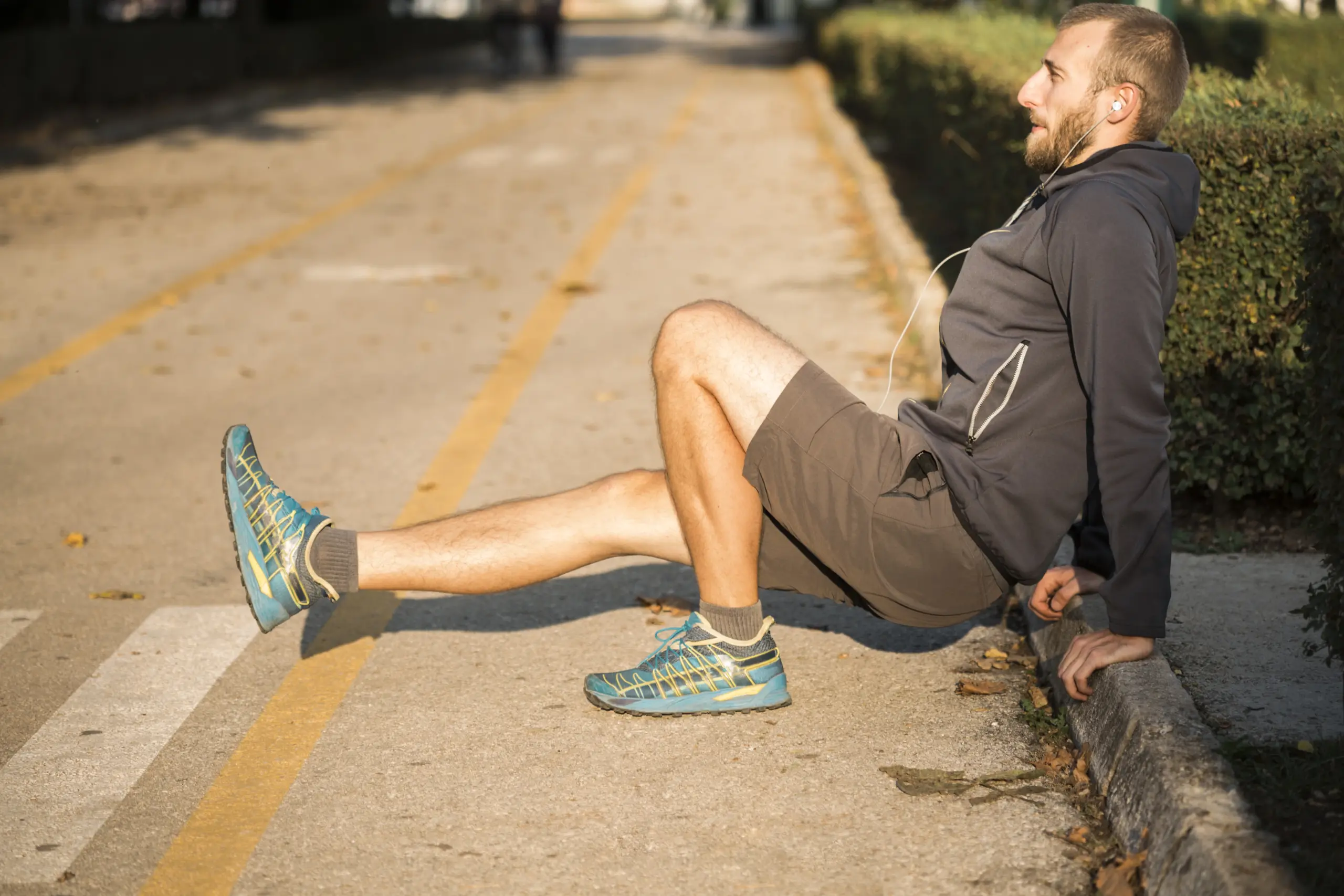
Imagine the ball of your hip joint and its socket fitting together a little too tightly. That’s femoroacetabular impingement (FAI): when an irregular bone growth on the femoral head or acetabulum causes the two to rub against each other during motion. For runners, this can translate into sharp pain in the groin or front of the hip, especially during hip flexion, like climbing hills or sprinting.
Many runners with FAI notice that their hips feel tight no matter how much they stretch. That’s because the problem isn’t the muscle, it’s the joint itself.
If symptoms persist despite conservative management, arthroscopic surgery may be needed to reshape the bone and relieve impingement. While that sounds daunting, many athletes successfully return to full training afterward. The goal is long-term joint health, not just temporary relief.

If your pain radiates from the outside of your hip and down to your knee, it might not be a hip joint problem at all; it could be Iliotibial Band Syndrome (ITBS).
The IT band is a thick tendon running from your hip to your shin. When it becomes tight or irritated, it can rub over the outer hip bone (greater trochanter), causing inflammation and discomfort.
While ITBS can be frustrating, it’s highly treatable. Focus on improving hip strength and mobility, as these are the foundations of pain-free running.

Sometimes, hip pain after running isn’t muscular at all, it’s a stress fracture, a tiny crack in the bone caused by repetitive loading. Stress fractures commonly occur in the femoral neck, the area just below the ball of your hip joint. They’re subtle, but serious: running through one can lead to a complete break.
Unlike muscle strains, stress fractures don’t respond to stretching or massage; they require rest and medical evaluation. Diagnosis is usually confirmed with a Magnetic Resonance Imaging (MRI) or bone scan.
With proper management, most runners recover fully within 6–10 weeks. However, ignoring early signs can lead to a complete fracture, requiring surgery and a much longer recovery.

Tendinopathy – especially involving the gluteal or hip flexor tendons – is one of those slow-burning injuries that creeps up over time. You might first notice a slight discomfort after long runs, which eventually becomes a persistent ache near the front or side of your hip. Unlike strains, tendinopathy is the result of chronic overload, where the tendon breaks down faster than it can repair.
Unlike acute injuries, tendinopathy doesn’t respond well to total rest – it needs graded loading to rebuild tendon strength.
A physical therapist can help structure a loading program tailored to your level. According to medicine guidelines, most cases resolve in 6–12 weeks with consistent rehab.
Sometimes, the issue isn’t a clear-cut injury – it’s a combination of subtle problems that add up to big pain. Understanding these underlying contributors can help you not only treat pain but prevent it in the future.
Being proactive about these factors means fewer injuries and more consistent running.
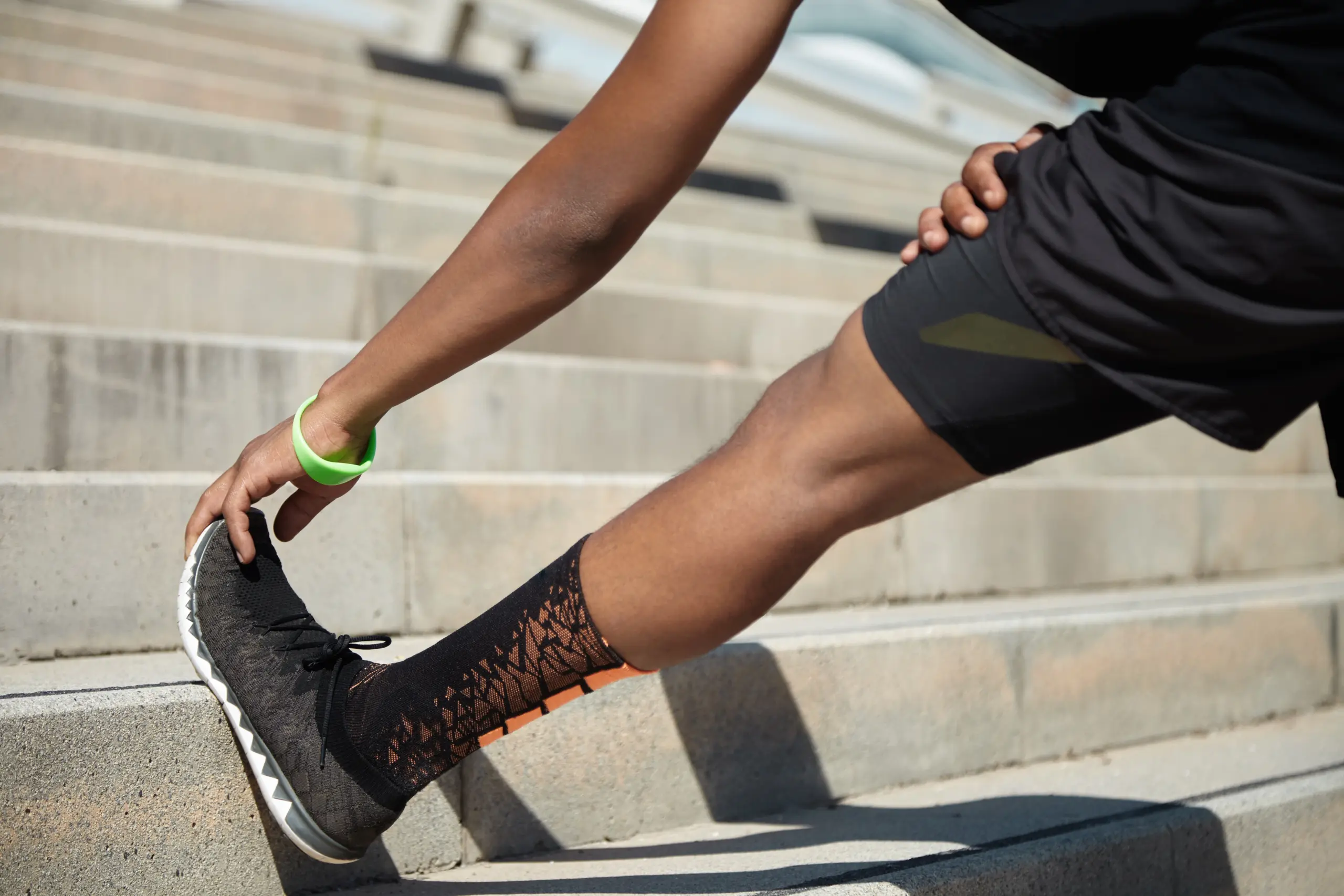
You’ve finished your run, and the ache has kicked in. Now what? Here’s a step-by-step approach to relieve hip pain after running and support your recovery.
When hip pain kicks in, your priority is to reduce inflammation and give your body a break:
Remember, ice is best for acute pain and swelling. Once the inflammation subsides, you may switch to heat therapy to relax tight muscles.
After a day or two of rest, it’s time to start moving gently. Prolonged immobility can actually make hip pain worse by causing muscles to stiffen and shorten.
Stretching should never cause sharp pain – mild tension is okay; discomfort is not. Aim for 30 seconds per stretch, repeated 2–3 times per side.
Think of foam rolling as your “do it yourself” sports massage. It helps relieve tight fascia and muscles that might be contributing to hip discomfort.
Bonus tip: use a lacrosse ball or massage ball for deeper pressure on glutes or piriformis muscles.
Stopping running altogether can feel like a punishment—but pushing through pain is worse. The key? Smart modifications.
Also, reassess your running shoes, form, and training schedule. A small tweak can make a big difference in how your body responds to running stress.

Preventing hip pain after running isn’t just about avoiding injury; it’s about building a body that’s resilient, well-balanced, and built for mileage.
The truth is: the most hip injuries in runners are preventable. They’re not the result of critical accidents; they’re the product of small habits (or lack thereof) that accumulate over time.
Running cold is one of the fastest ways to invite hip pain. A few leg swings aren’t enough. You need to prime the muscles and joints you’re about to load.
Try this 5-minute dynamic warm-up before each run:
These activate your hip flexors, glutes, quads, and hamstrings – all key players in a stable, pain-free stride.
Running itself doesn’t build the muscles that support your hips. In fact, weak hips and core are two of the most common contributors to hip injuries in runners.
Aim to strength train 2–3 times per week, focusing on:
Small inefficiencies in your stride can create big problems at the hip over time. Poor form often leads to:
Get a gait analysis from a physical therapist, running coach, or specialty running store. They can spot issues and help you correct:
Good form distributes stress more evenly and protects your hips.
Running hard without rest is like driving a car on empty. Eventually, your body will shut down and usually with pain. It’s important to build recovery into your routine:
Rest days – take at least one full rest day per week;
Active recovery – on easy days, go for a walk, bike ride, or gentle yoga;

Hip pain after running can be frustrating, but it’s almost always a solvable problem. Whether you’re dealing with a tight hip flexor, burning pain on the side, or a nagging deep ache, the key is to listen to your body, understand what it’s telling you, and respond with a smart, proactive plan.
Most hip pain stems from overuse, poor mechanics, or imbalances, and with the right tools, you can fix these and get back to running strong. Don’t wait until you’re limping. Start with prevention, invest in recovery, and train with intention. Your hips will thank you.
If you’re preparing for a Marathon, like EDP Maratona de Lisboa – one of Europe’s most stunning coastal races -, your hip joints are in for a serious test. Running 42 kilometers on repetitive, level surfaces can quietly overload the hip flexors, glutes, and stabilizers without you realizing it.
To keep hip pain after running from sabotaging your race day:
Remember: crossing the finish line pain-free isn’t just about cardiovascular endurance; it’s also about biomechanical efficiency and injury prevention.
I am text block. Click edit button to change this text. Lorem ipsum dolor sit amet, consectetur adipiscing elit. Ut elit tellus, luctus nec ullamcorper mattis, pulvinar dapibus leo.
Even with a proper warm-up, hip pain can result from underlying imbalances, like weak glutes, poor running form, or old shoes. Warm-ups help, but they’re just one piece of the puzzle. Strength training and mobility work are equally important.
If the pain is mild, not worsening, and goes away after running, you may continue, but with caution. However, if it intensifies, changes your stride, or lingers for hours, it’s best to rest and evaluate.
To relieve hip flexor pain after running, focus on three key stretches: the kneeling lunge, supine figure-4, and low lunge with side reach. Hold each stretch for 30 seconds per side post-run to support recovery and prevent stiffness.
Not always, but trochanteric bursitis is a common cause. However, it could also be IT Band Syndrome or Gluteal Tendinopathy. A professional assessment can confirm the cause.
Seek medical advice if you experience sharp or deep hip pain that lasts more than a week, notice clicking, locking, or instability in the joint, or find it difficult to bear weight without discomfort. Don’t wait until the pain becomes disabling.