Energy gels for running have revolutionized endurance sports, offering runners a fast, convenient way to refuel during long training sessions or races. Whether you’re chasing a marathon personal best or trying to conquer your first half marathon, knowing what to take, when, and why can make a huge difference.
This in-depth guide explains how energy gels work, compares the top-performing brands in 2025, and dives into the latest sports science on carbohydrate fueling, caffeine, electrolytes, and endurance performance. Backed by research and expert insights, it’s your complete guide to running longer, faster, and stronger.
Energy gels are concentrated carbohydrate blends designed to deliver quick fuel during endurance exercise. Typically packed with maltodextrin, fructose, and glucose, they help maintain blood sugar levels and delay fatigue.
When you run, your body burns glycogen, the stored form of carbohydrates: as its primary energy source. After about 60–90 minutes, glycogen stores start to deplete, leading to the dreaded “hitting the wall.” Energy gels bridge that gap by providing an easily digestible fuel source that restores energy quickly without weighing you down.
A 2019 review in Sports Medicine reported that consuming 30–60 grams of carbohydrates per hour significantly enhances endurance performance in events lasting longer than 90 minutes. That’s roughly equivalent to one gel every 30–45 minutes, depending on your body weight and pace.
The Maurten Gel 100, for instance, uses a unique hydrogel technology that encapsulates carbohydrates in a gel matrix, improving gastric tolerance and absorption. Meanwhile, GU Energy Gels rely on a dual carbohydrate system (maltodextrin + fructose) for fast and sustained energy release.
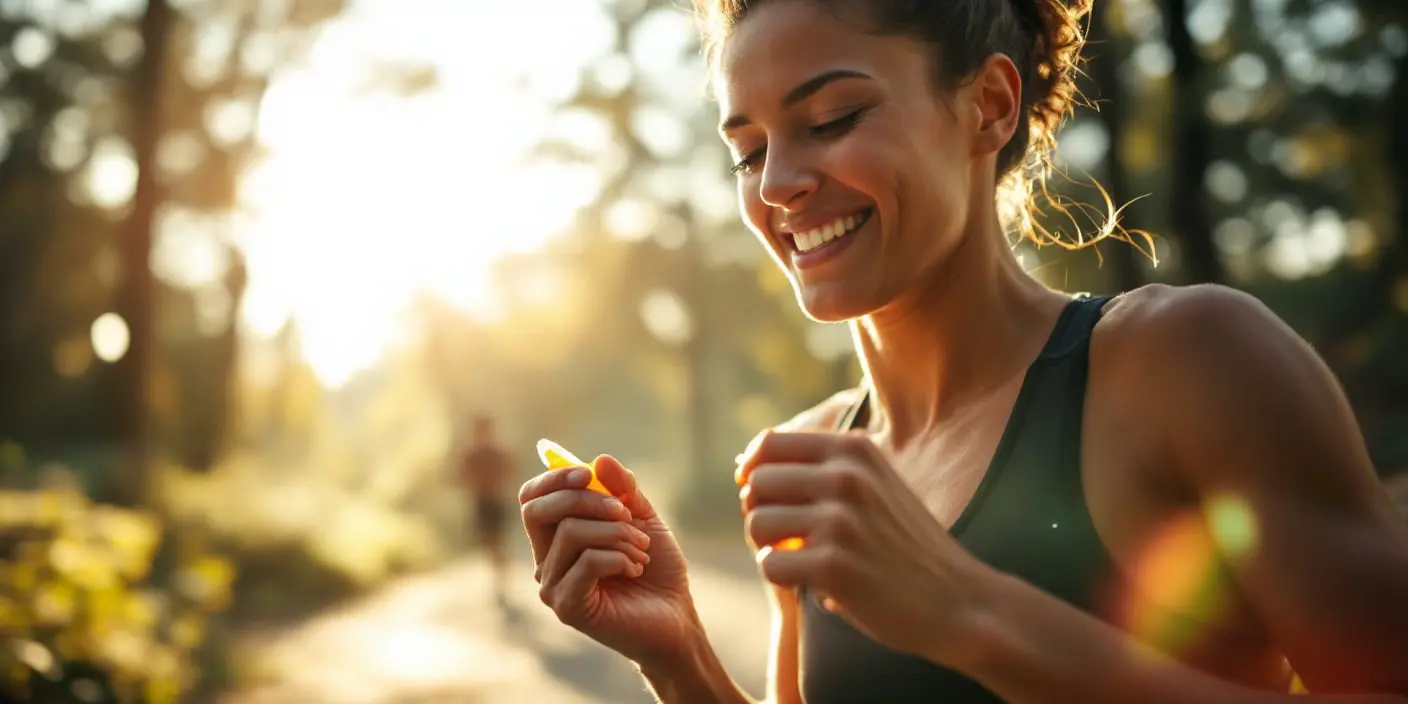
For any endurance athlete, maintaining stable energy levels is crucial. Once your glycogen drops, your performance declines rapidly, muscle fatigue sets in, and mental focus diminishes.
A 2013 study published in the Journal of Applied Physiology found that carbohydrate ingestion during prolonged exercise improved performance by 2–3%, enough to separate a personal record from a painful slowdown.
Beyond performance, energy gels also support mental clarity and motivation. When glucose levels fall, brain function declines, leading to poor pacing and decreased focus. Fast-acting carbs restore alertness, helping runners maintain rhythm and strategy throughout their race.
For marathoners, trail runners, and triathletes, energy gels are essentially portable fuel stations. They’re lighter and faster to digest than bars or chews, and when paired with water, they can even support hydration balance during long runs.
Timing matters just as much as the gel you choose. Most coaches and sports nutritionists recommend consuming your first gel after 30–45 minutes, then one every 30–40 minutes afterward. This keeps your glycogen levels topped up before depletion hits.
According to a 2020 study in the European Journal of Sport Science, spreading carbohydrate intake evenly throughout endurance activity helps maintain blood glucose stability and minimizes gastrointestinal (GI) distress.
Here’s a simple fueling schedule for marathon training or race day:
| Duration | Recommended Fueling |
|---|---|
| 0–45 min | 1st gel (early top-up) |
| 45–90 min | 2nd gel + water |
| 90–150 min | 3rd gel + electrolyte drink |
| 150+ min | 4th gel + caffeine option (if tolerated) |
Always consume your gels with small sips of water, especially thicker ones like GU or Honey Stinger, to help absorption and prevent dehydration. Avoid taking gels with isotonic drinks, as it may slow digestion due to higher sugar concentration.
Let’s look at the top-performing gels this year, based on athlete feedback, scientific formulation, and practical use across marathon and ultra distances.
| Energy Gel | Key Feature | Carbs per Serving | Caffeine | Ideal For |
|---|---|---|---|---|
| Maurten Gel 100 | Hydrogel tech for smooth absorption | 25g | No | Marathon, ultra, sensitive stomachs |
| GU Energy Gel | Balanced carb + amino blend | 23g | 0–40mg | All runners |
| SIS Isotonic Gel | No water needed; easy on stomach | 22g | 0–75mg | Mid-distance, beginners |
| Honey Stinger Energy Gel | Organic honey-based natural carbs | 24g | 0–32mg | Eco-conscious athletes |
| BPN GO Gel | Electrolyte-infused, smooth taste | 27g | 40mg | Hot-weather races |
| Clif Shot Energy Gel | Thicker texture, strong flavors | 24g | 25–50mg | Experienced marathoners |
Runner’s World frequently ranks these among the best running gels, noting their balance between performance, flavor, and stomach comfort.
Choosing the best energy gel depends on your personal physiology, race distance, and flavor tolerance. Not all gels work the same for everyone, experimenting during training is key.
Here are the main factors:
Carbohydrates are the primary fuel for endurance exercise. When you run, your body converts glycogen (stored carbs) into glucose, which powers your muscles. As intensity rises, your body relies even more heavily on these carbohydrate stores.
A comprehensive review in Sports Medicine concluded that athletes who consumed 60–90g of carbohydrates per hour maintained higher power output and delayed fatigue compared to those who didn’t supplement during exercise.
Most energy gels for running combine maltodextrin and fructose in a 2:1 ratio. This allows your body to use multiple carbohydrate transporters (GLUT4 for glucose, GLUT5 for fructose), increasing absorption efficiency by up to 75% (according to Journal of Applied Physiology).
Modern gels like Maurten Gel 100 and GU Roctane capitalize on this science, ensuring runners get a steady glucose stream without overwhelming the gut, a balance critical for marathon success.
Many of today’s best running gels include performance-enhancing additives such as caffeine, electrolytes, and amino acids. Here’s how each one can benefit your run:
Caffeine is one of the most researched ergogenic aids in sports. Studies from the International Journal of Sport Nutrition and Exercise Metabolism show that consuming caffeine (3–6 mg per kg of body weight) enhances endurance performance by increasing fat oxidation and lowering perceived exertion.
Gels like GU Roctane and SIS Double Espresso contain 50–75 mg of caffeine, perfect for the late stages of a marathon when fatigue peaks.
Electrolytes like sodium, potassium, and magnesium help regulate fluid balance and muscle function. During hot-weather races, excessive sweat can deplete sodium, leading to cramps or hyponatremia. Gels such as BPN GO Gel or Clif Shot Electrolyte Gel replace these key minerals, helping maintain hydration and nerve transmission.
According to the American College of Sports Medicine, endurance athletes should consume 300–700 mg of sodium per hour in long-duration exercise, depending on sweat rate.
Some energy gels also include amino acids like BCAAs (branched-chain amino acids), which may reduce muscle breakdown. Although the evidence is mixed, research in Frontiers in Physiology suggests they may delay central fatigue and aid recovery.

Even the best gels can backfire if used incorrectly. Avoid these common pitfalls:
Runner’s World emphasizes that fueling strategy consistency is often what separates strong finishers from those who hit the wall late in the race.
For runners who prefer clean or sustainable ingredients, natural energy gels or DIY alternatives can work, but only if they match the nutritional balance of commercial products.
Homemade gels often use honey, maple syrup, and sea salt, offering a blend of glucose and fructose similar to branded gels. However, their texture, shelf life, and exact carb ratio can be inconsistent.
A study in the Journal of the International Society of Sports Nutrition found that while natural carbohydrate sources can provide similar energy, manufactured gels outperform them in absorption efficiency and GI tolerance during long races.
Honey Stinger Energy Gels, for example, strike a balance, using organic honey as the carb base while maintaining commercial-grade consistency and electrolytes.
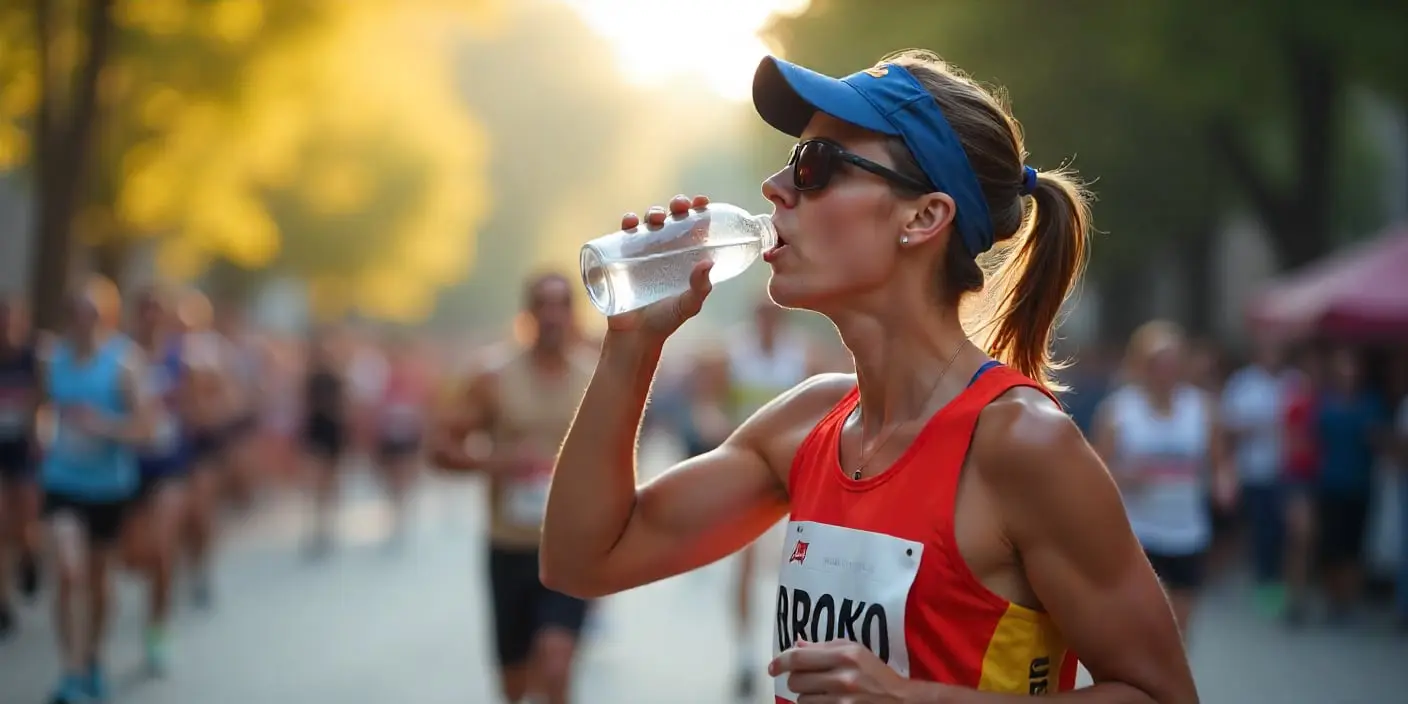

If you’re running the EDP Maratona de Lisboa, organised by Maratona Clube de Portugal, plan your fueling around the scenic but exposed coastal course from Carcavelos to Praça do Comércio.
Save a caffeinated gel for the final 8–10 km for a mental and physical boost.
Take your first gel around 30–45 minutes in, then one every 30–40 minutes afterward to maintain steady energy and prevent glycogen depletion.
Yes. Always take gels with small sips of water (150–200 ml) to aid absorption and prevent stomach discomfort.
Aim for 30–60 grams of carbs per hour (roughly one gel every 30 minutes). Ultra-runners may train their gut for up to 90 g/hour.
They can be, caffeine helps delay fatigue and sharpen focus. Use them later in a race, not at the start, and stay within 30–60 mg caffeine per hour.
Homemade options (honey + salt + maple syrup) work for short runs, but commercial gels offer better consistency, absorption, and electrolyte balance for long races.