Choosing the best running fuel can make a significant difference in how you feel and perform during training. Running requires consistent energy, and the foods you eat help support endurance, stamina, and overall performance. For most runners, the foundation of a good nutrition strategy starts with carbohydrates, which are the body’s primary energy source during endurance exercise.
Understanding what to eat before a run and how to maintain the best energy for long runs can help prevent fatigue and keep your pace steady. By choosing simple, balanced foods that are easy to digest and rich in nutrients, runners can fuel their bodies effectively and stay strong throughout their training.

To pick the best running fuel, you must understand how your body generates power. Carbohydrates for marathon runners are the primary energy source because they quickly convert into glucose, providing immediate fuel. As intensity increases, your body relies on stored glycogen to keep you moving. According to nutrition specialists, a runner’s diet must be a strategic balance of nutrients to maintain performance and prevent metabolic fatigue.
Incorporating healthy carbs for runners — like oatmeal, whole-grain bagels, sweet potatoes, and bananas — is essential for steady energy. While carbs provide the spark, protein and healthy fats offer critical support. Do runners need protein? Absolutely. It is essential for repairing muscle tissue after a tough session, while healthy fats from avocados or nuts provide long-lasting energy for lower-intensity miles.
To keep your energy levels high, focus on nutrient-dense foods that provide a steady stream of power. Here are some of the best running fuel sources to include in your daily routine:

Carbohydrates are the best running fuel because they are stored as glycogen in the muscles and liver. During a run, you rely on these stores; if they drop too low, you may “hit the wall.” Clinical evidence suggests that maintaining these energy levels is critical to avoiding sudden fatigue, as carbohydrates remain the most efficient fuel for endurance.
This makes carbohydrates for marathon runners essential. A diet rich in healthy carbs for runners ensures your glycogen stores are topped off. Maintaining this energy is what allows you to maintain proper form and improve running cadence even when fatigue starts to set in. Choosing the right carbs to eat before running provides stable energy, allowing you to train harder and recover faster.
Understanding the difference between these two types of carbs helps you choose the best running fuel for every situation:
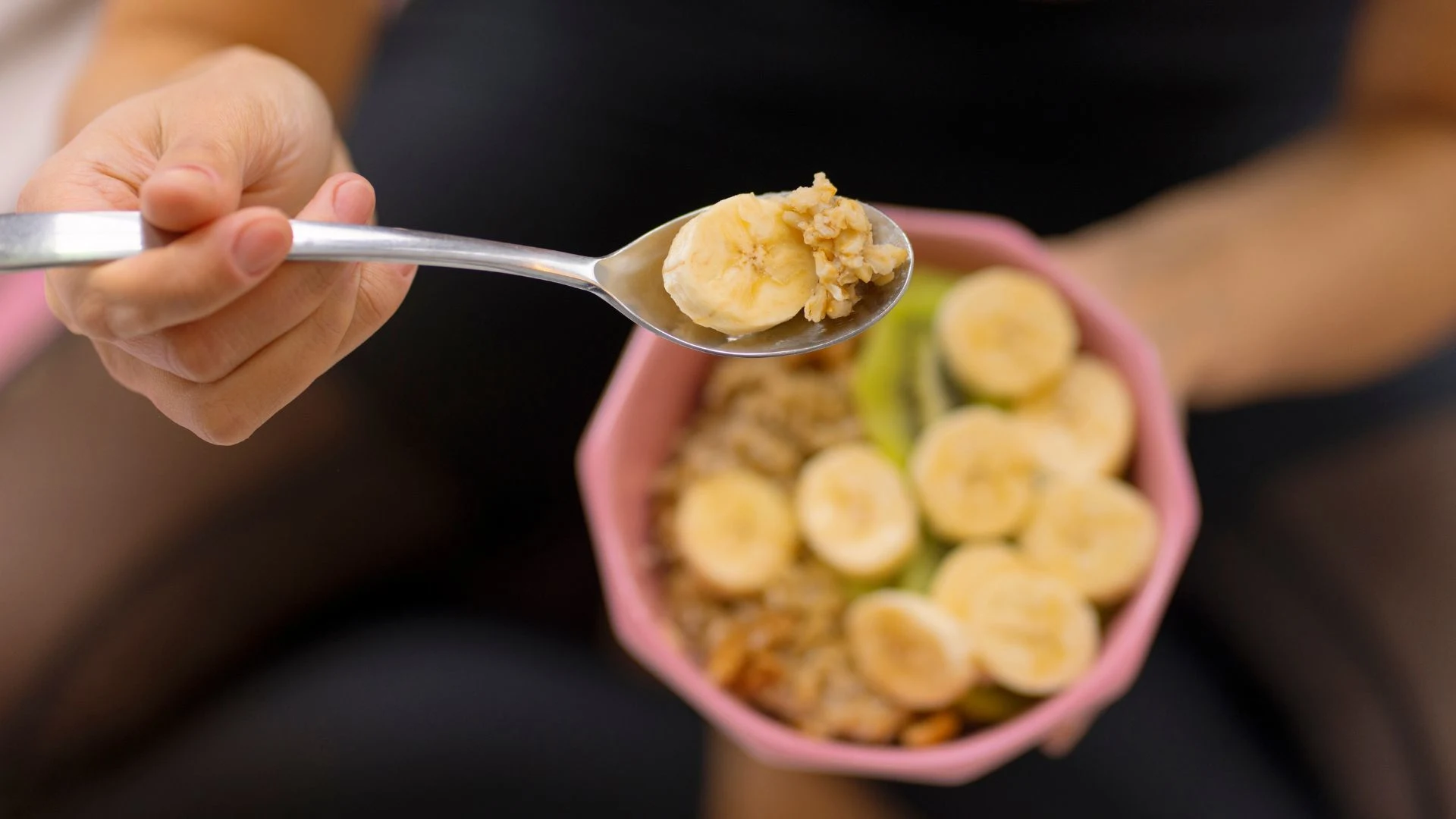
Knowing what to eat before a run ensures your body has enough available energy. The right best pre-run fuel should provide energy without causing stomach discomfort. Nutrition specialists recommend focusing on carbohydrates that the muscles can use for immediate power.
Aim for a balanced meal with healthy carbs for runners and moderate protein:
Choose a small snack that acts as a quick best pre run fuel:

When you run for distances over 60–90 minutes, your body begins to deplete its stored glycogen. Once these stores drop too low, you may experience the infamous “hitting the wall.” To maintain performance, you need the best fuel for long runs — options that provide easily digestible carbohydrates to replenish your energy without causing stomach issues. To manage this fueling strategy, many athletes use training logs or running apps to pre-plan their nutrition timing and track how their body responds to different energy sources during training.
Energy gels are concentrated supplements designed for rapid absorption. Recent scientific studies highlight that these rapid-absorption options are essential for maintaining blood glucose during prolonged cardiovascular stress. Many runners rely on energy gels every 30–45 minutes.
A banana is a whole-food source of simple sugars (glucose and fructose) and essential minerals. It is a favorite among runners because it provides an immediate energy spike and contains potassium, an electrolyte critical for muscle contraction and preventing cramps. Its soft texture makes it one of the easiest natural foods to eat on the move.
Isotonic sports drinks are beverages formulated with a specific concentration of salts and sugars to match the human body’s fluid balance. They provide the best energy for long runs because they simultaneously replace fluids lost through sweat and replenish the sodium and carbohydrates needed to keep muscles firing during long-distance efforts.
Energy bars are solid fuel sources typically made from oats, rice syrup, and dried fruits. They are used by runners who prefer the feeling of solid food to curb hunger during very long efforts. Since they take longer to break down into energy, it is best to consume them during the first half of your run. While these provide energy during the effort, remember that post-exercise nutrition is just as vital; following a proper long run recovery plan will help rebuild muscle tissue once the workout is done.
Choosing the right source of energy depends on your stomach’s sensitivity and the intensity of your effort. The following table summarizes the primary benefits and the ideal timing for each of the most popular fueling strategies used by marathoners.
| Fuel Source | Primary Benefit | Best Used When… |
|---|---|---|
| Energy Gels | Rapid glucose absorption. | You need a mess-free energy spike mid-run. |
| Bananas | Natural sugars + Potassium. | You prefer whole foods and need cramp support. |
| Sports Drinks | Hydration + Electrolytes. | You are running in heat and losing salt. |
| Energy Bars | Sustained satiety. | You are early in a run and prefer solid food. |

Carb loading before a race is a strategy to maximize muscle glycogen stores. Since carbohydrates are your primary power source, increasing intake 1–3 days before an event helps delay fatigue. Research confirms that a high-carb diet expands these reserves, which is essential for sustained performance.
In practice, you should increase the proportion of healthy carbs for runners — such as pasta, rice, and potatoes — while tapering your training volume. The goal is to shift your caloric balance toward carbohydrates rather than simply overeating. To manage this tapering phase effectively, many athletes use the running apps to monitor activity and ensure optimal rest before race day.

Sometimes you need an immediate boost. These runner fuel options are selected for their high glycemic index and portability:

Finding the best running fuel is the key to unlocking higher energy levels. By prioritizing carbohydrates, you ensure your muscles have the glycogen needed to push through the toughest miles. While carbs and running go hand in hand, remember that the answer to “do runners need protein” is definitely yes. Timing your protein intake is essential for muscle repair.
Test different combinations of healthy carbs for runners and fast high protein snacks during your sessions to discover what works best for you. Are you ready to reach your next finish line stronger than ever?
The best running fuel focuses on carbohydrates like oatmeal and bananas, the body’s primary energy source. For long efforts, energy gels are essential as they provide rapid glucose absorption to replenish glycogen stores and prevent fatigue.
For optimal digestion, choose a balanced meal 2–3 hours prior, such as oatmeal with peanut butter. If you are short on time, a quick best pre-run fuel snack like white toast or a banana 30–60 minutes before heading out is ideal to ensure energy without stomach issues.
Carbohydrates are vital because they are stored as glycogen, the most efficient source of power for endurance. Choosing the best fuel for long runs prevents “hitting the wall” and ensures you maintain the energy levels needed to reach the finish line.
Yes. While carbs provide the spark, do runners need protein for muscle repair. Including fast high protein snacks after training is essential to rebuild tissue and support long-term strength and recovery.
The most effective options during a workout are simple carbohydrates that provide a quick glucose spike. Energy gels, isotonic drinks, or even the best candy for running fuel — like energy gummies — are ideal because they deliver immediate power without causing digestive discomfort.