

Long runs build endurance, but your progress depends on effective long run recovery. Whether you are managing marathon recovery or dealing with sore legs after running, what you do after your session determines how quickly you return to the road.
This guide explores essential running recovery strategies to help you bounce back. We will cover post marathon recovery timelines and recovery after half marathon efforts, answering the vital question: how long does it take for muscles to recover? Learn to treat recovering from marathon distances as an active part of your training to become a stronger, more consistent runner.
What Happens to Your Body After a Long Run

When you finish a high-mileage session, your body immediately begins a repair phase to adapt to the physical stress. Effective running recovery starts by understanding these three main physiological changes:
Muscle Micro-tears and Inflammation
Running long distances causes tiny tears in your muscle fibers. While this is how you build strength, it also triggers the inflammatory response that causes sore legs after running.
- The Impact: These micro-lesions lead to muscle stiffness and temporary loss of power. According to specialists, markers of muscle damage and inflammation usually reach their highest levels about three days after a major effort like a marathon.
- The Recovery: Healing these tears is why runners ask how long does it take for muscles to recover. If you experience sharp discomfort rather than general soreness, it is important to investigate specific issues such as hip pain after running, which requires specialized care.
Glycogen Depletion and Energy Loss
As noted by experts from CEP Running, glycogen is the primary fuel stored in your muscles. After a marathon or long training session, these “energy tanks” are often empty.
- The Risk: Without a quick refill, your marathon recovery will stall. Failing to replenish these stores prevents your muscles from repairing properly, which can leave you feeling weak for your next run.
- The Solution: For the best post marathon recovery, eat a mix of carbs and protein within 60 minutes. This is critical whether you just finished a full 26.2-mile race or a half marathon distance, as it triggers the healing process immediately.
Neuromuscular Fatigue
It isn’t just your muscles that feel the strain; your nervous system also gets tired. The communication between your brain and your legs becomes less efficient.
- The Result: You might notice your heart rate remains higher than usual even after the run, as your system works extra hard to deliver nutrients and oxygen to recovering tissues.
- The Fix: Resting the nervous system is a vital part of recovering from marathon distances, allowing your coordination and biological signals to return to their normal state.
Immediate Recovery: The First 6 Hours

What you do right after finishing has a huge impact on your long run recovery. These first hours are when your body begins repairing muscle damage and restoring energy. Small, simple actions here make a big difference in how you feel tomorrow.
Hydration and Electrolyte Replacement
During a long run, you lose a lot of fluids and minerals through sweat. If you don’t replace them, your running recovery slows down, and sore legs after running tend to last longer.
- Drink Immediately: Start with water as soon as you finish.
- Add Electrolytes: For long or hot runs, use a drink with sodium and potassium to prevent cramps and dizziness.
- Check Your Gear: Wearing the right clothing for the temperature helps prevent excessive sweating and fluid loss in the first place.
Post-Run Nutrition
After a long effort, your muscles are hungry for fuel. This is a critical time for marathon recovery, as your body is primed to absorb nutrients. To keep it simple, aim to eat a mix of Carbohydrates to refill your energy and Protein to repair muscle tissue.
Common choices like yogurt with fruit, a turkey sandwich, or rice with eggs are perfect. Research shows that properly refueling within 60 minutes is the secret to recovering from marathon distances without feeling sluggish for days. This simple habit helps kickstart the repair process before fatigue fully sets in.
Gentle Movement vs. Active Recovery
Right after finishing, your muscles are tired and sensitive. Experts suggest avoiding intense stretching, as pushing too hard can cause small injuries. Instead, try these simple steps:
- Active Recovery: A 5-minute very slow walk helps keep blood flowing to your legs.
- Light Stretching: Only do gentle movements that feel good — never push into pain.
- Compression Gear: Wearing recovery socks during these first 6 hours can significantly reduce swelling and heaviness in your legs.
The Importance of Sleep
Think of sleep as a required part of your training plan. This is when your body releases the hormones needed for deep muscle repair.
- Prioritize Rest: A good night of sleep is the best way to handle post marathon recovery.
- Short Naps: Even a 20-minute nap in the afternoon can help if your run was especially demanding.
- The Goal: Getting 7–9 hours of sleep reduces your injury risk and helps answer the question of how long does it take for muscles to recover by speeding up the healing process.
Recovery in the Following Days (24–72h)
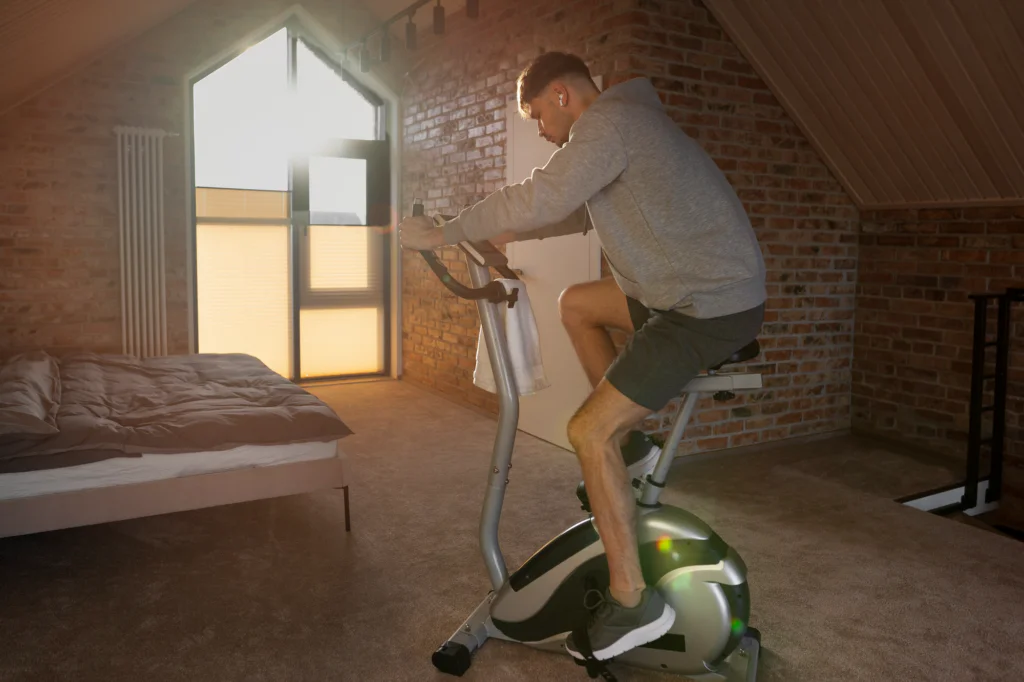
The days after a long run are just as important as the run itself. This is when your body finishes repairing muscle damage and rebuilding strength. Using smart strategies during this window helps reduce lingering sore legs after running and keeps your training on track.
Recovery Runs: Movement Without the Pressure
A recovery run is never about speed or distance — it is about gentle movement. Moving your legs helps increase blood flow to tired tissues, which is essential for effective running recovery.
- Keep it Easy: Run at a pace where you can easily hold a conversation. If you feel more tired at the end than when you started, you are going too fast.
- The Goal: These short efforts help flush out stiffness. If running feels too uncomfortable, walking or a light bike ride works just as well to support your recovery after half marathon or full marathon efforts.
- Marathon Prep: During post marathon recovery, these low-intensity sessions help “wake up” the muscles without adding new stress.
Mobility and Myofascial Release
Tight muscles can slow down your progress. Adding simple mobility work helps restore your range of motion and eases the tension built up during high-mileage days.
- Foam Rolling: Often called myofascial release, using a foam roller on your calves, quads, and glutes improves circulation.
- Focus Areas: Spend extra time on your hips and hamstrings. By keeping the tissue flexible, you speed up the healing process.
- Joint Support: If you feel instability or lingering discomfort while moving, some runners find that using a knee brace provides the necessary support to stay active during recovering cycles without overstraining the joints.
Cold and Heat Recovery Strategies
Using temperature is a simple way to manage how your body feels during long run recovery. Depending on how your muscles feel, you can choose between two methods:
When to Use Cold
Cold therapy, like ice packs or a quick cold soak, is best during the first 24–48 hours. It helps settle down swelling and inflammation, making it a great tool for marathon recovery immediately after a race.
When to Use Heat
Heat works best once the initial swelling has gone down and your muscles just feel tight or stiff. A warm bath or heating pad increases blood flow, which relaxes the muscles and helps them feel more supple.
Recovery After a Half Marathon vs. a Marathon

Not all races impact your body the same way. While recovery after half marathon efforts is typically faster, both distances require a smart plan to avoid injury and return to the road safely.
Average Recovery Time Differences
The intensity of a race determines how long does it take for muscles to recover.
- Half Marathon: Most runners feel back to normal within 3 to 7 days. Muscle damage is usually light, making running recovery relatively quick.
- Full Marathon: This distance places extreme stress on your nervous system. Even if you feel good, full marathon recovery often takes 2 to 4 weeks. Treat this time as a vital part of your training cycle.
When to Resume Intense Training
Patience is key to successful long run recovery. For a half marathon, you can usually start easy runs in a few days, but wait for “fresh legs” before doing speed work. After a full race, recovering from marathon stress requires at least a week of very light movement. Avoid racing or hard workouts until your body feels fully recharged.
Common Recovery Mistakes
To ensure a smooth post marathon recovery, avoid these frequent pitfalls:
- Rushing Back: Don’t train hard just because muscle soreness is gone; deep fatigue lasts longer.
- Total Inactivity: Staying completely still increases stiffness. Gentle movement is much better for running recovery than sitting on the couch.
- Ignoring Basics: Skipping sleep and proper food slows down the healing process for everyone, whether you are finishing a 42km race or a half marathon distance.
Recovery Timeline: Half Marathon vs. Marathon
This guide compares the recovery steps for both distances. While the initial actions are similar, the time needed for deep healing changes significantly depending on the race.
| Timeline | Focus Area | Half Marathon | Full Marathon |
|---|---|---|---|
| 0–6 Hours | Refuel & Rest | Drink electrolytes and eat a carb/protein snack. | Drink electrolytes and eat a carb/protein meal. |
| 24–72 Hours | Stiffness | Light walking and gentle mobility work. | Light walking and focus on reducing inflammation. |
| 3–7 Days | Active Recovery | Return to easy runs as sore legs fade. | Very light activity only (walking/swimming). |
| 1–4 Weeks | Full Repair | Usually back to 100% within one week. | Critical window for post marathon recovery. |
How to Know If Your Recovery Is Complete

Knowing when your body is fully ready to train again is essential for safe running recovery. If you return to hard workouts too early, you risk slowing your progress or causing a preventable injury.
Physical Signs of Progress
Your body provides clear signals when it has finished recovering from a long run stress. Pay attention to how your legs feel during daily activities and easy movement.
- Muscle Comfort: You should no longer experience sore legs after running or stiffness when getting out of bed.
- Leg Feel: Your legs should feel light and stable rather than heavy or “dead.”
- Heart Rate: A useful trick is to check your resting heart rate in the morning. If it is higher than your usual baseline, your body is likely still under stress. When it returns to normal, your post marathon recovery is likely on the right track.
Mental and Energy Indicators
True long run recovery involves your mind as much as your muscles. Fatigue often lingers in the nervous system even after the soreness is gone.
- Motivation: If you feel unmotivated or mentally drained at the thought of running, you might need more rest.
- Energy Levels: You should feel energetic throughout the day, not just during your workout.
- Performance: Easy runs should feel truly easy. If your usual “slow” pace feels like a struggle, it’s a sign that your body is still working hard behind the scenes to repair itself. Give it a little more time to bounce back fully.
The Final Check
Before jumping back into a full training plan, perform one “test run.” If you can finish a short, easy session without any lingering pain or unusual fatigue, your marathon recovery is likely complete.
Are You Ready for Your Next Big Challenge?

Recovery isn’t just a break – it’s a key part of your performance. Proper long run recovery allows your body to rebuild stronger, reducing injury risk and helping you run faster. Whether you are focusing on marathon recovery or preparing for your first race, respecting your rest days is what makes long-term progress possible.
Ready to put your training to the test? Check how your pace compares to the average marathon time. Understanding these benchmarks can help you set your next goal and ensure your post marathon recovery was a success.

