The Windy City Marathon, also known as the Chicago Marathon, is one of the most iconic races in the world. As part of the Abbott World Marathon Majors, it attracts elite runners, dedicated amateurs, and first-time marathoners.
This complete guide explains everything you need to know, from registration and training to course details and race-day strategy. If you’re a runner looking for one of the best experiences in global distance running, this article is for you.
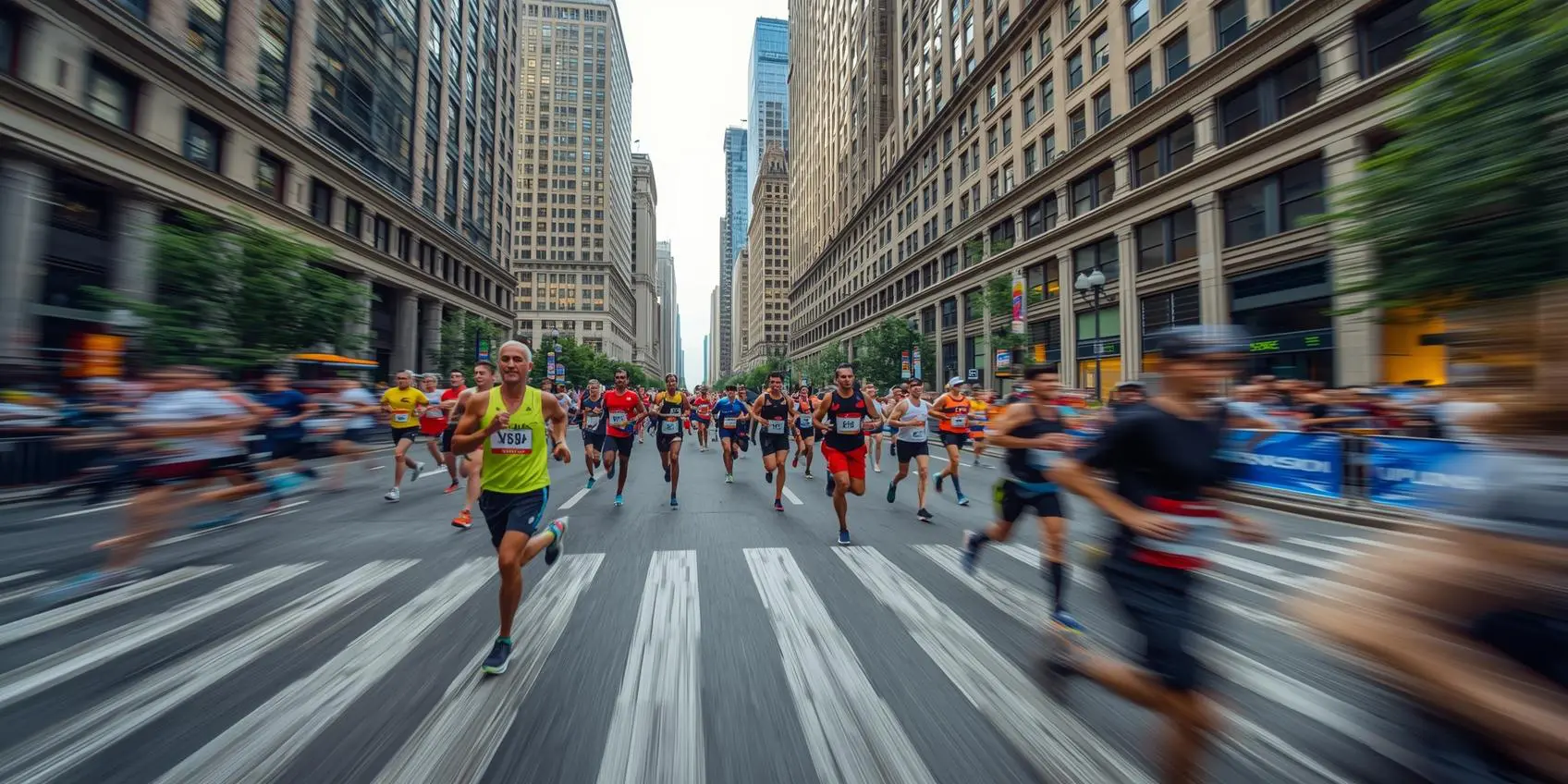
The Windy City Marathon stands out because of its flat, fast course and the atmosphere that surrounds the event. As one of the six Abbott World Marathon Majors, it carries global prestige, making it a bucket-list race for thousands of runners.
More than 45,000 participants cross the start line each year, and over 1.7 million spectators line the streets to cheer. Few marathons can match this combination of size, energy, and organization.
Another highlight is the city itself. Chicago is a multicultural hub, and the marathon route passes through 29 neighborhoods, each showcasing a different community. Runners experience everything from live gospel music in the South Side to mariachi bands in Pilsen.
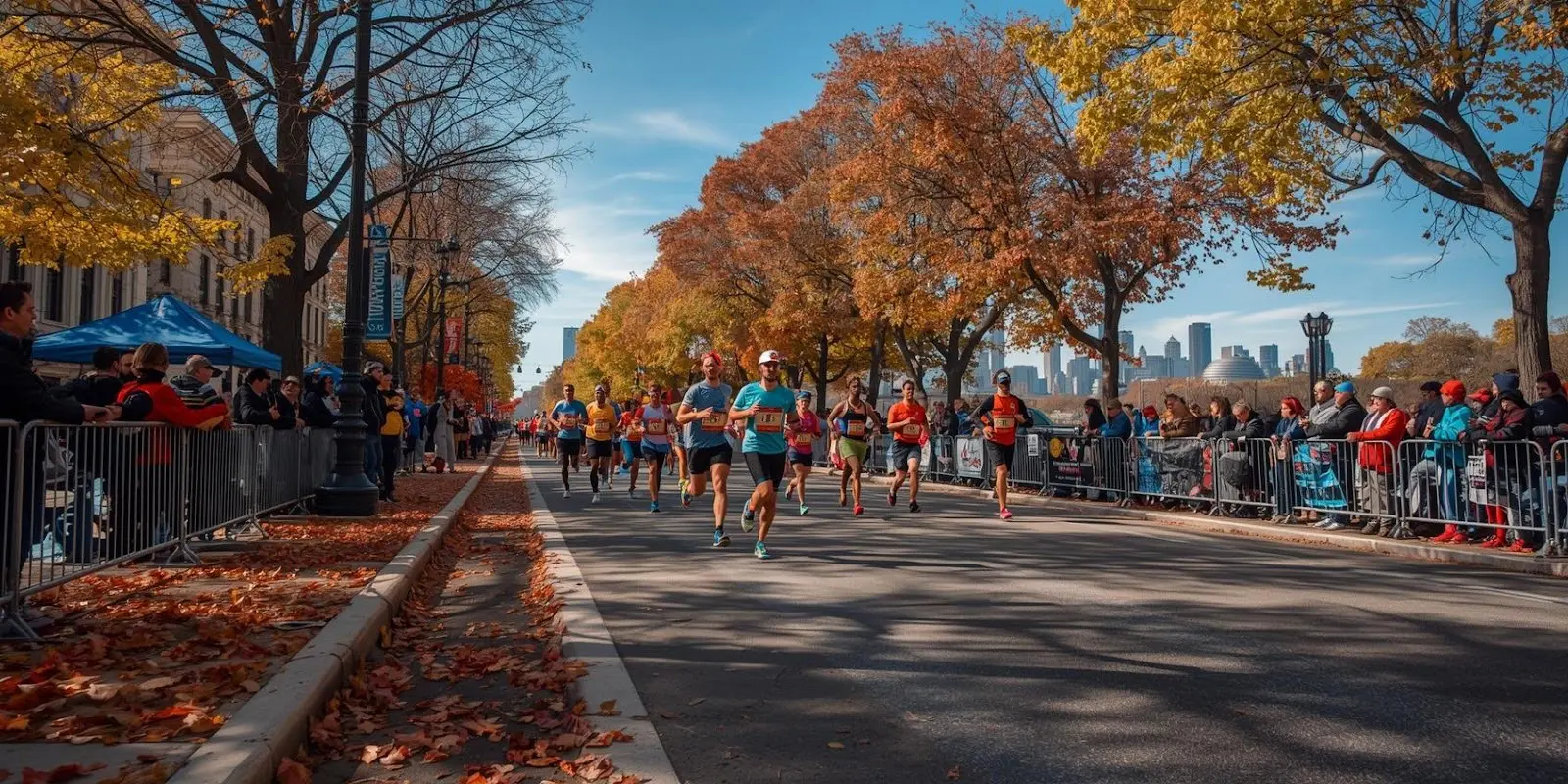
The marathon takes place every October, usually on the second Sunday of the month. This timing offers cooler conditions that are considered ideal for distance running.
According to AccuWeather, typical race-day temperatures range from 8°C to 17°C, providing a climate that supports fast times. For European and Portuguese athletes, this date falls perfectly at the end of the summer training cycle.
With over 45,000 athletes and representation from more than 100 countries, the Windy City Marathon is one of the largest marathons in the world.
Statistics from the Bank of America Chicago Marathon show:
These numbers highlight the balance between elite excellence and broad accessibility.
The course is flat and fast, starting and finishing in Grant Park. With only about 30 meters of elevation gain, it is one of the best courses for achieving a personal best or qualifying for the Boston Marathon.
Highlights along the route include:
The design of the course makes it attractive for elite records as well as amateur breakthroughs.
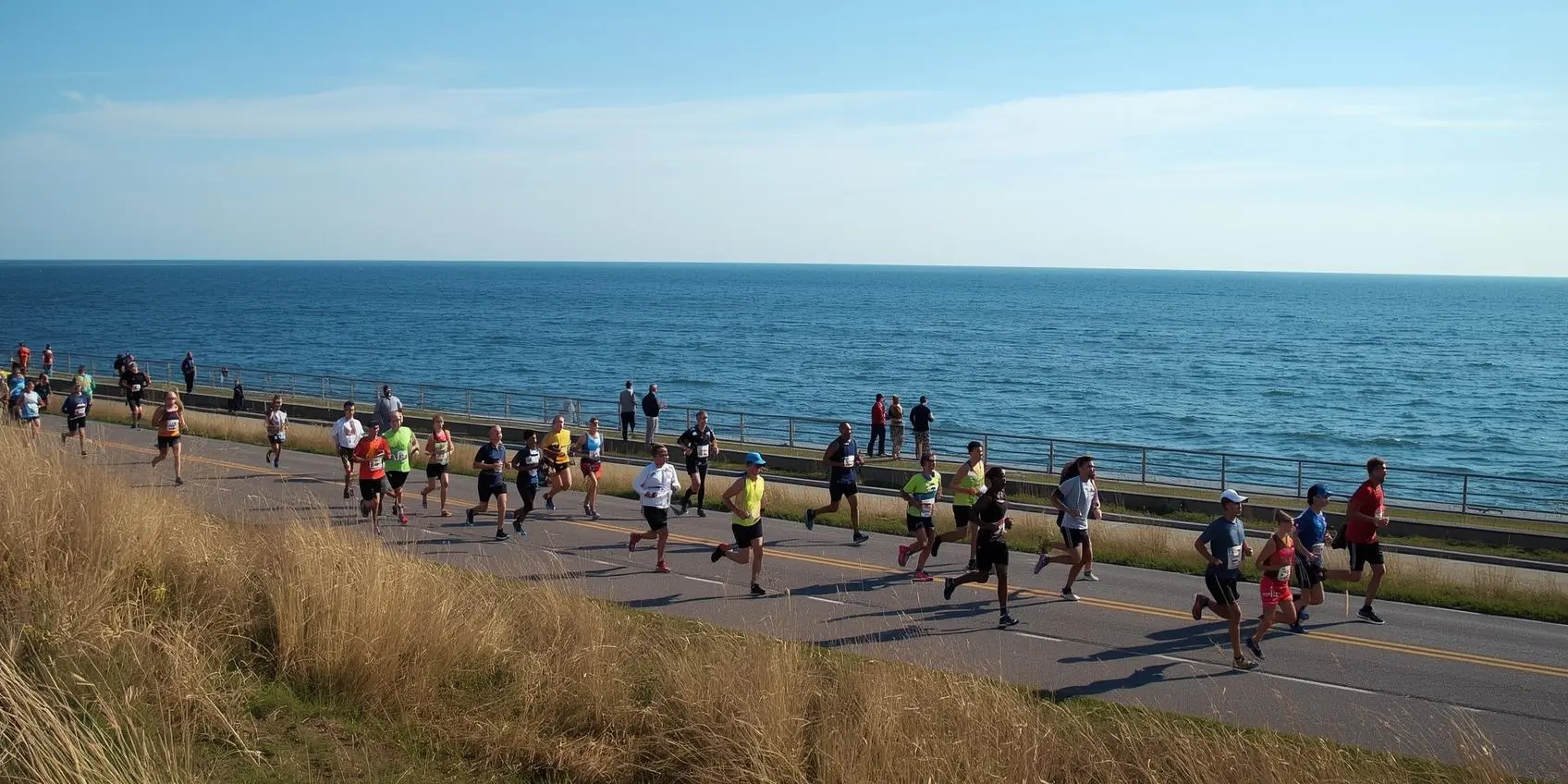
Chicago’s nickname, the Windy City, is not just a myth. While the temperatures are usually ideal, winds from Lake Michigan can challenge runners, especially in the later stages of the race.
According to NOAA, October averages:
Layering clothing and preparing mentally for wind gusts are essential strategies.
Entry is competitive, with three main options:
Entry fees:
Registration usually opens in October or November of the previous year.
For athletes traveling from Europe and Portugal, Chicago is well connected by air. O’Hare International Airport receives direct flights from many global hubs.
Accommodation should be booked early, especially hotels near Grant Park, the start and finish area. Chicago’s public transport network makes it easy to navigate the city without renting a car.
Tourist attractions that runners and supporters should not miss include:
Training for the Windy City Marathon means preparing for a flat course. Long runs on level terrain and interval sessions designed for speed are recommended.
Key strategies include:
With the race in October, summer training blocks provide long daylight hours but require careful hydration.

The Windy City Marathon offers aid stations every 2–3 km, serving water and Gatorade Endurance Formula.
Runners should train with these fluids during long runs to adapt their stomachs. Many athletes also carry energy gels, typically every 40–50 minutes.
Post-race recovery nutrition is available at Grant Park, including bananas, protein snacks, and electrolytes.
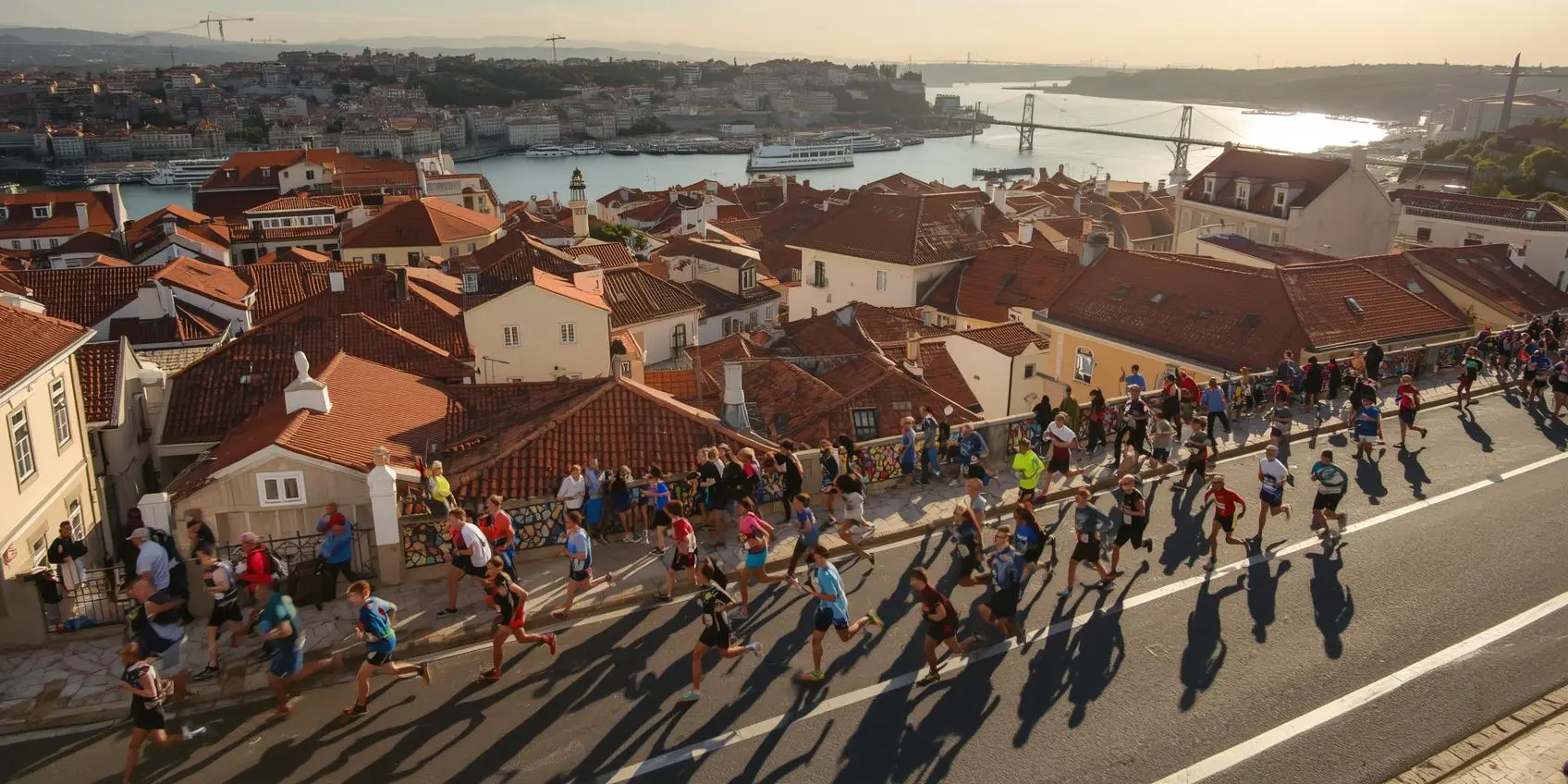
For athletes who have already run in Europe’s top races: Berlin, London or Lisbon, the Chicago Marathon offers something different.
Chicago competes with these as one of the most international and fastest courses, giving runners a chance to experience an American race of global prestige.
The race has seen some of the fastest marathon performances in history.
More than 1.7 million spectators attend, making it one of the most supported marathons in the world.
Charity running is central to the Chicago Marathon. Since its inception, the event has raised over $250 million for local and global causes.
Participants can choose from more than 170 official charities, covering causes such as healthcare, education, and social justice.
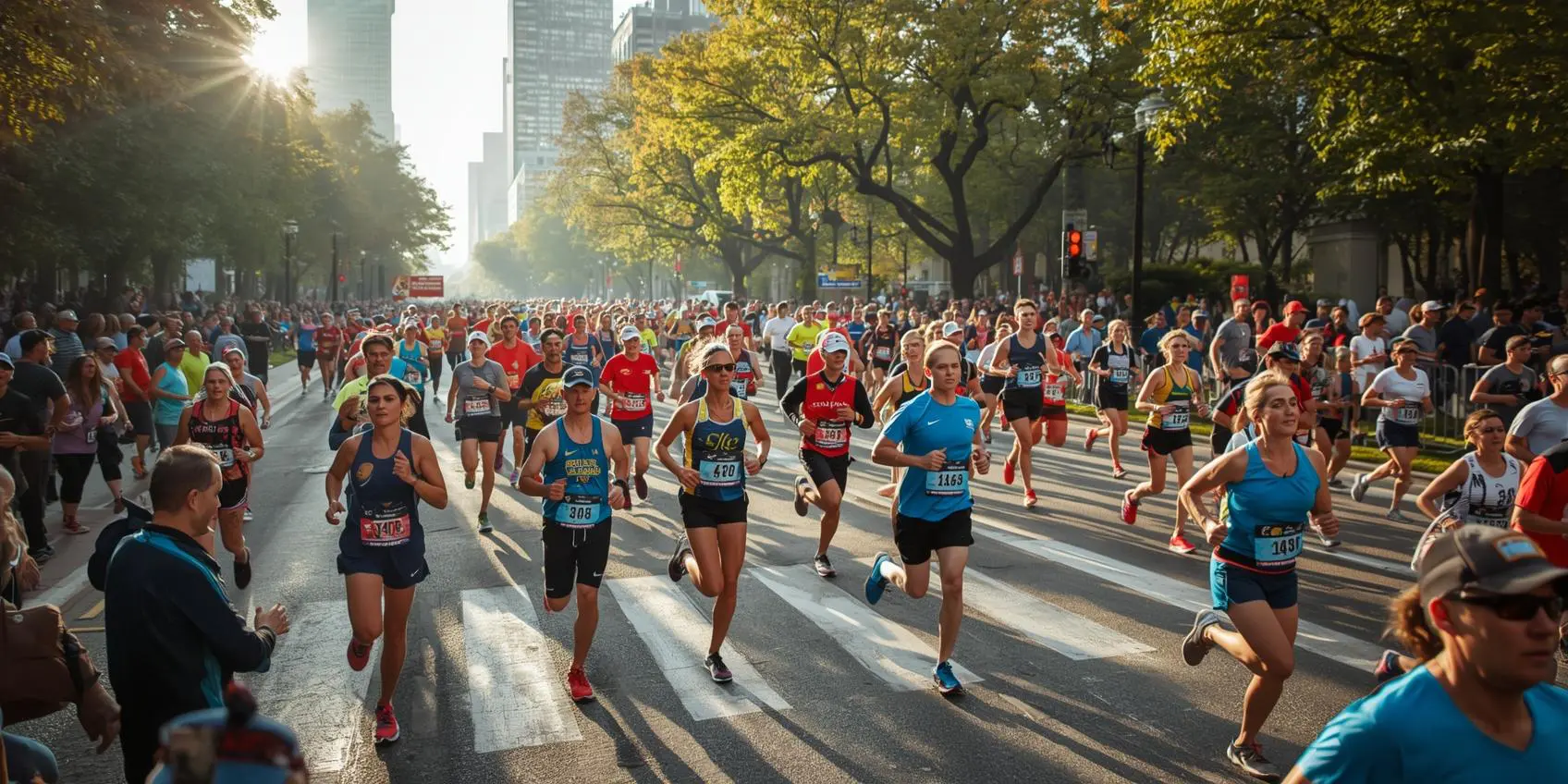
For families and friends, Chicago offers numerous spectator-friendly points. Popular cheering zones include:
With the city’s excellent public transport system, supporters can easily move between different spots to cheer their runners multiple times.

Post-race recovery is essential. After crossing the finish line in Grant Park, runners should:
Chicago also offers unique recovery options, such as spa treatments, lakefront walks, and hearty post-race meals in the city’s famous restaurants.
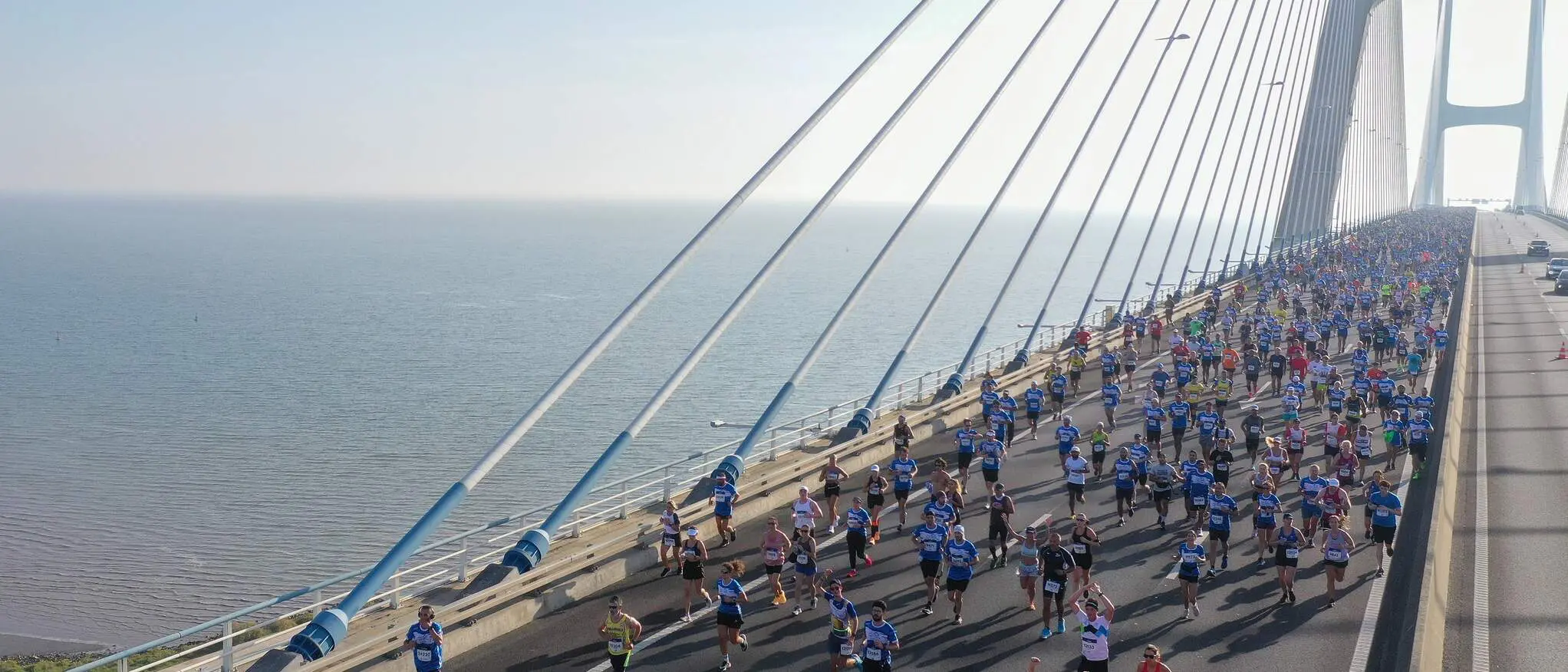
While the Windy City Marathon is a highlight on the global stage, Portuguese runners also have a world-class race at home: the Lisbon Marathon, organized by Maratona Clube de Portugal. Known for its breathtaking course along the Atlantic coast and across the iconic 25 de Abril Bridge, Lisbon offers a scenic and unforgettable experience.
For athletes, Chicago delivers speed and prestige, while Lisbon combines running with culture, sunshine, and Portuguese hospitality—two marathons that perfectly complement each other on any runner’s journey.
Yes. The nickname “Windy City Marathon” refers to the official Bank of America Chicago Marathon.
Entry can be challenging due to demand, but many runners secure places via lottery or charity programs.
Absolutely. Its flat profile makes it welcoming for first-time marathoners.
Chicago offers a fast, flat course with a scale similar to Lisbon and London but with a distinct American flavor.