Compression gear is now a staple at every race, from local 5Ks to marathons. Many athletes choose cep compression socks to boost their training and recovery. While marketed to improve circulation and reduce fatigue, it can be hard to separate the hype from the real benefits.
This guide provides a science-based look at running compression socks. We will explain how they work, which benefits are proven, and how to choose the right pair for your needs. Whether you are a beginner or an advanced runner, you will learn exactly when and how to use them for the best results.
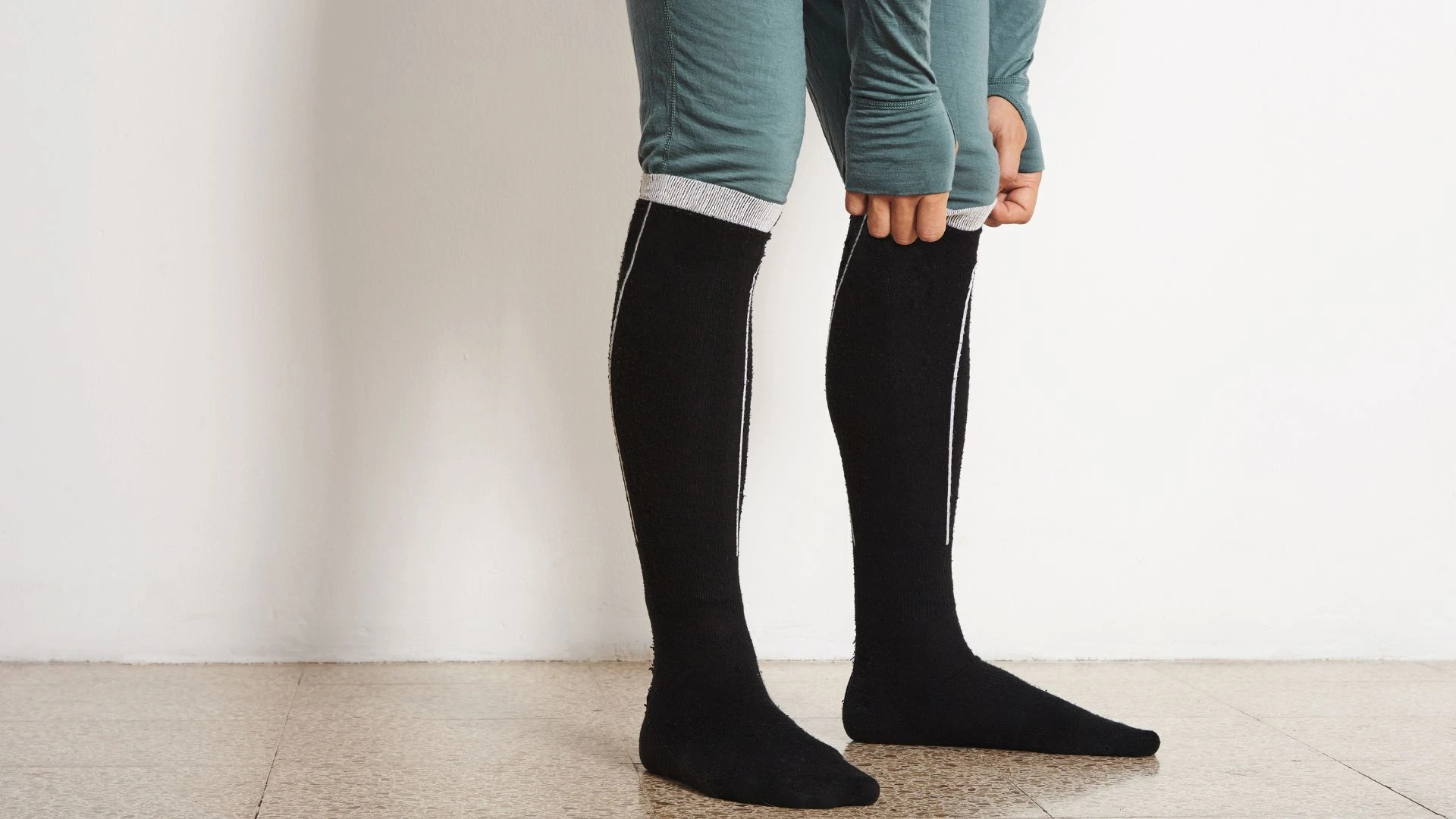
Running compression socks apply controlled pressure to the lower leg to support muscles and veins. This external support helps the body operate more efficiently during and after a run. The effectiveness of athletic compression socks boils down to three primary mechanisms.
Graduated compression means the fabric is tightest at the ankle and gradually loosens as it moves up the calf. This specific design helps push blood upward against gravity, back toward the heart.
Research published on PubMed shows this graduated design significantly improves functional recovery, especially after long-distance events like marathons.
During a run, blood can pool in the lower limbs due to gravity and muscle fatigue. Running compression socks gently constrict the veins, making them tighter and increasing the speed of blood flow back to the heart.
This process aids in:
Experts in sports medicine explain that this improved venous return is a primary reason why athletic compression socks are recommended for both active training and post-run recovery.
Every foot strike sends vibrations through the calf muscle. This repeated “muscle oscillation” is a hidden cause of fatigue. Compression gear stabilizes the muscle, providing external support that minimizes this shaking.
Benefits include:
By minimizing muscle oscillation, cep compression socks help runners manage high training volumes with less fatigue, making them an essential tool for those prioritizing consistent, long-term performance.
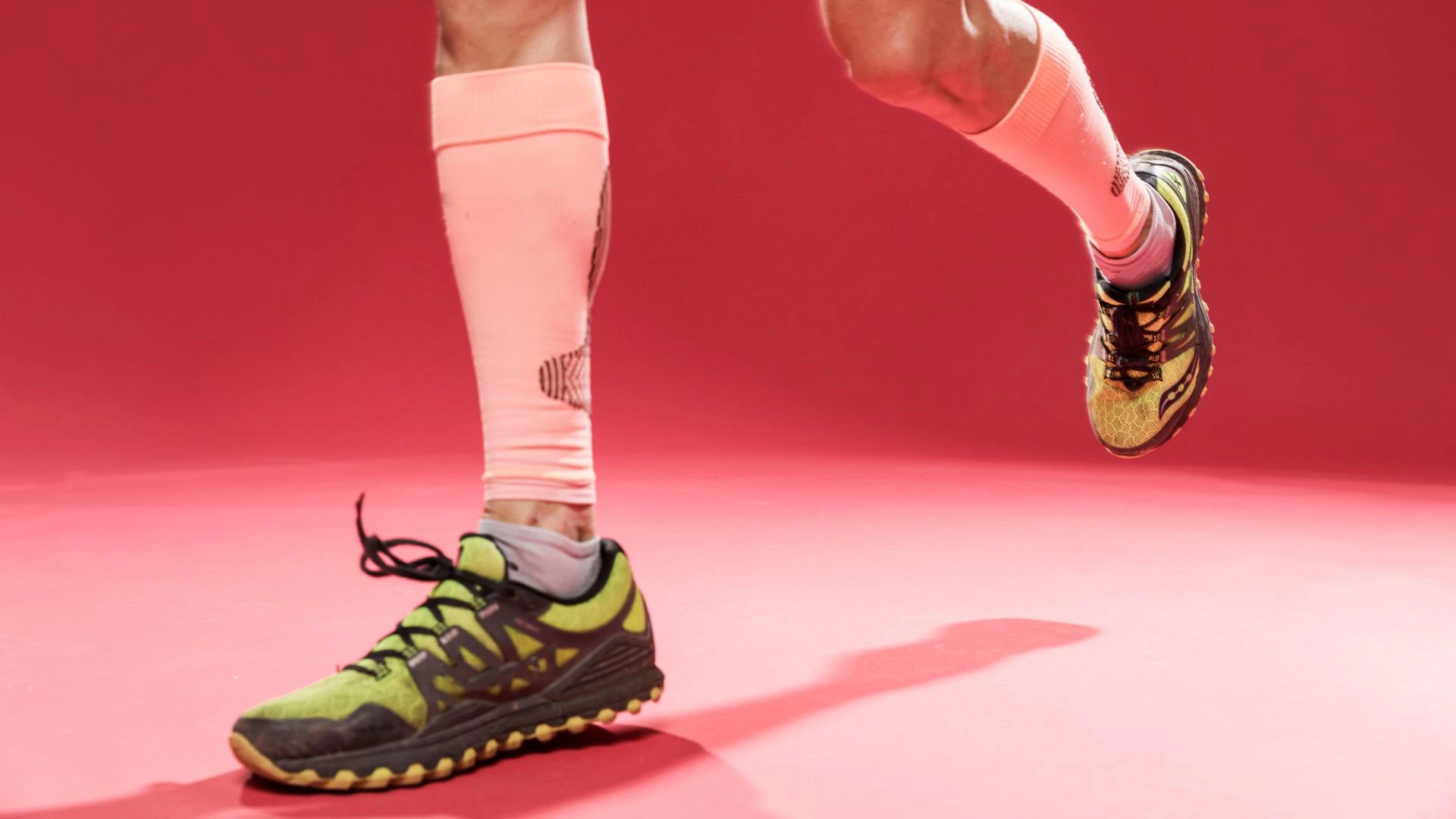
The popularity of running compression socks goes far beyond aesthetics. When used correctly, they support key aspects of performance and long-term health. Below are the primary benefits runners experience, based on research and practical use.
One of the most established benefits of compression running socks is improved blood flow in the lower legs. By applying graduated pressure, these garments help move blood efficiently back to the heart and reduce pooling in the calves.
According to research, runners using compression after major events showed better functional recovery. This improved circulation is also vital when dealing with other running issues; for instance, maintaining proper blood flow and leg health is just as important as managing hip pain after running to stay consistent.
Repeated impact during running causes constant muscle vibration in the calves, which contributes to soreness. Athletic compression socks help by stabilizing the muscles and reducing unnecessary movement (oscillation).
Sports medicine research highlights that lower muscle oscillation is linked to less perceived fatigue. This stabilization is a primary reason why athletic brands recommend compression gear for protecting the legs from high-impact stress, often used alongside other supportive tools like a knee brace for running.
Recovery is where many runners feel the most significant difference. Wearing cep compression socks after training helps the body return to a resting state faster by:
Many runners choose men’s compression socks and women’s performance gear simply for the “locked-in” feel. Beyond the physiological benefits, they provide:
Whether you are aiming for a specific average marathon time or just finishing your first 5K, the added comfort can significantly influence your training consistency.
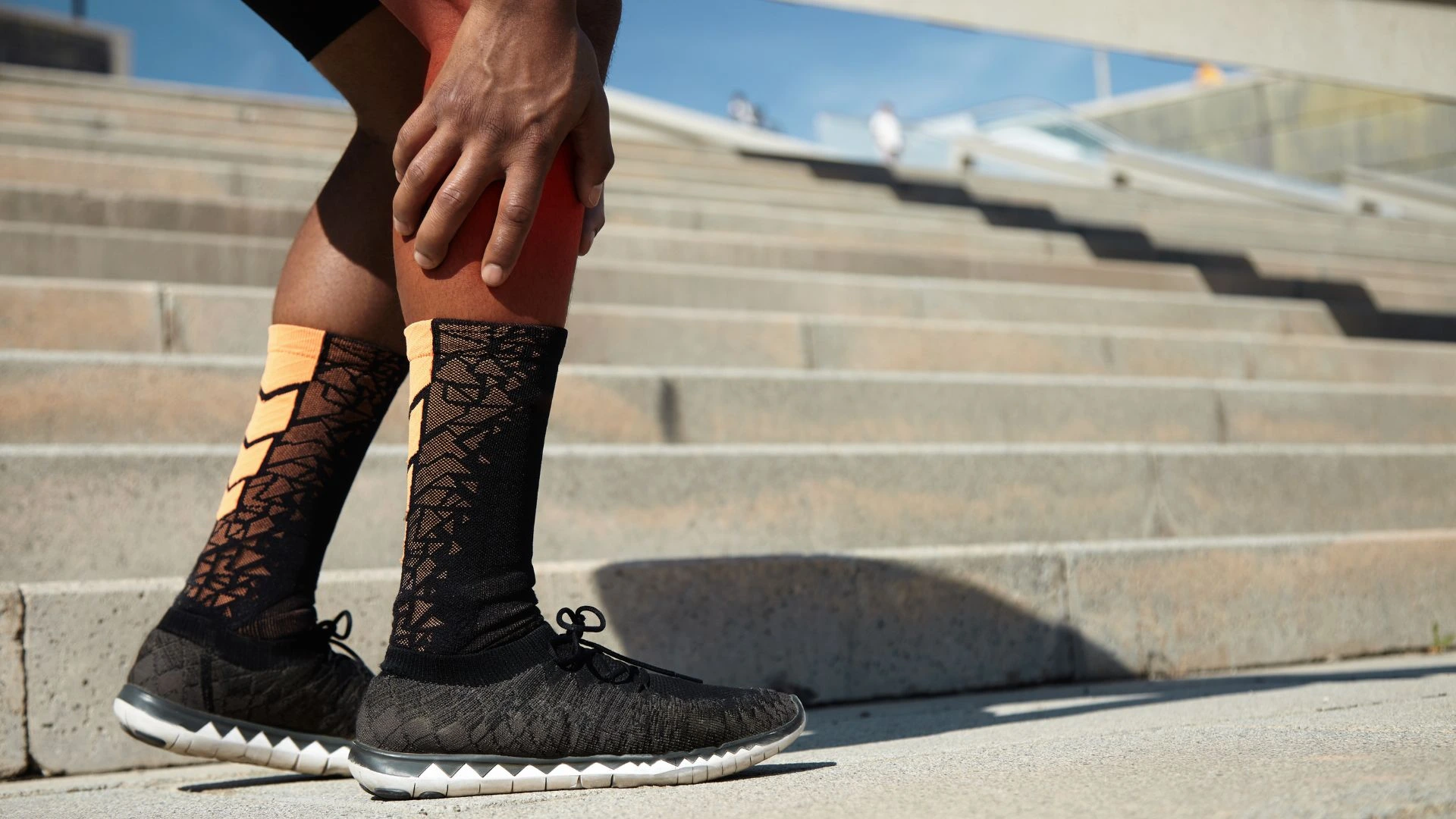
Knowing when to wear your gear is just as important as choosing the right pair. Running compression socks are versatile and fit into different parts of a runner’s routine, each serving a specific purpose.
Many athletes wear compression running socks during workouts and competitions, especially when tackling longer distances. They are commonly used for:
By improving circulation and reducing muscle vibration, these socks help runners maintain efficiency. While they may not directly shave seconds off a sprint, they support muscle function during prolonged efforts. This is particularly relevant for those tracking specific performance goals, such as hitting a target average marathon time.
One of the most evidence-backed uses of cep compression socks is for post-run recovery. After exercise, the focus shifts from performance to healing. Wearing them after a session helps:
A randomized trial found that runners who wore compression for 48 hours post-marathon experienced significantly better functional recovery. This finding aligns with expert medical insights explaining how such therapy supports the body’s natural healing, helping you return to training sooner.
Athletic compression socks are also essential for the “lifestyle” side of the sport. Many runners use them during:
Prolonged sitting can lead to stiffness and the familiar ‘heavy legs’ feeling. Maintaining circulation during travel is a smart habit for long-term leg health, similar to how a knee brace provides targeted joint stability. Used strategically, athletic compression socks support your recovery through every stage of the training cycle, ensuring you are ready for your next session.

Not all gear is created equal. Choosing the right running compression socks depends on the compression level, fit, and intended use. Selecting the wrong type can minimize the benefits or even cause discomfort during your run.
Compression is measured in millimeters of mercury (mmHg). Selecting the right intensity is essential to balance comfort with performance.
| Compression Level | Intensity | Best Use Case |
|---|---|---|
| 15–20 mmHg | Light to Moderate | Daily training, long runs, travel, and office wear. |
| 20–30 mmHg | Firm | Post-run recovery, marathons, and managing severe calf fatigue. |
| 30+ mmHg | Medical Grade | Clinical circulation issues (not recommended for running). |
Expert insights suggest that the 15–30 mmHg range is the “sweet spot” for running compression socks, providing enough pressure to boost circulation without restricting natural movement.
Fit is just as important as the pressure level. Unlike standard socks, running compression socks are sized by calf circumference rather than just shoe size. While you will often see specific compression socks for men and women, the underlying technology remains the same; the primary differences are usually found in foot length and color options. To ensure the graduated compression works correctly:
A precise fit is essential for overall leg mechanics. This focus on stability and comfort is a priority for many runners, similar to how one might carefully select a knee brace to ensure proper joint support without sacrificing mobility.
A common mistake is using medical-grade hosiery for training. While they may look similar, athletic compression socks are specifically engineered for movement. They feature moisture-wicking fabrics, breathable mesh zones, and targeted padding that medical socks lack.
Medical versions are often too rigid for the high-impact nature of the sport and can trap excessive heat. For those focusing on performance and long-term consistency, sticking to sport-specific gear like cep compression socks ensures you get the benefits of compression with the technical features required for running.
While running compression socks are highly effective tools, they are often surrounded by exaggerated claims. Understanding the reality behind these myths helps you use your gear strategically to get the best possible results.
It’s important to distinguish between “speed” and “stamina.” While the socks don’t have an engine, they play a vital role in how your legs feel:
Compression is a support system, not a total shield, but it works wonders when used as part of a smart routine:
Finally, cep compression socks are not for everyone. Runners with circulatory disorders or specific medical conditions should always seek professional advice before using them. By viewing compression as one part of a complete recovery system — rather than a substitute for it — you can maximize the benefits of your gear without falling for false promises.

Running longevity is about making smart choices today to protect your body for years to come. Running compression socks are a strategic investment in that journey, providing the muscle stability and circulation support needed to stay consistent without burning out. Whether you are chasing a new average marathon time or simply enjoying your daily miles, these small habits create a powerful compound effect that makes your training more sustainable.
The secret to performance is a commitment to better recovery. By adding athletic compression socks and cep compression socks to your routine, you help your body bounce back faster after every session. You aren’t just preparing for the next race; you are ensuring you will be running healthy and strong for the long haul.
While they don’t directly increase speed, running compression socks improve circulation and reduce muscle vibration. This helps you maintain better form and delays fatigue during long-distance training.
Both are effective. Wearing athletic compression socks during a run provides active calf support, while wearing them after training is the most proven way to accelerate recovery.
A range of 15–20 mmHg is ideal for daily training. Firmer levels (20–30 mmHg), common in specialized cep compression socks, are better reserved for intensive post-run recovery.
They aren’t injury-proof, but athletic compression socks may help reduce stress associated with shin splints by minimizing muscle oscillation and repetitive stress during high-impact exercise.
Yes. High-quality compression socks for men help beginners manage the muscle soreness of new mileage, making it easier to stay consistent during the adaptation phase.